The tray, the tongs and the glass cases
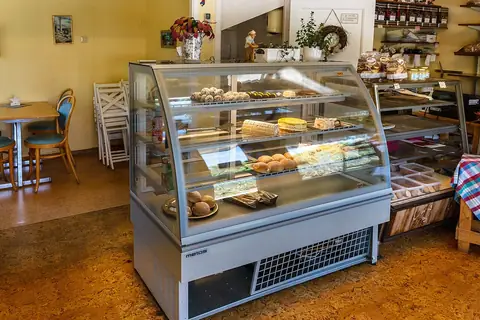
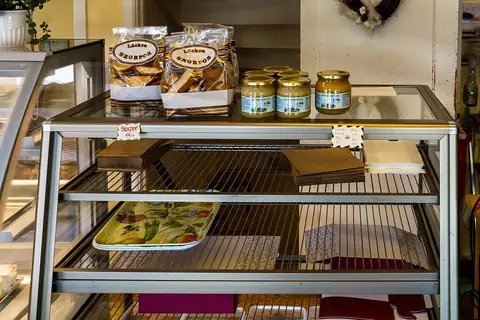
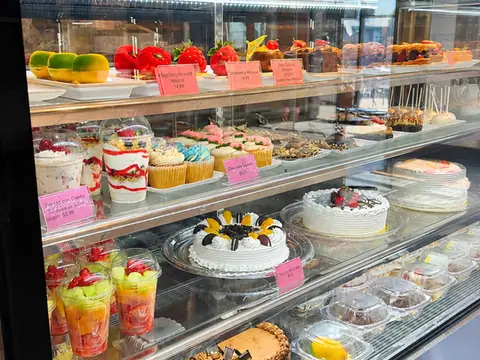
Most Mexican bakeries in the US work self-serve. You pick up a round aluminum tray and a pair of tongs near the entrance, walk the open cases, and choose whatever looks good. The cashier counts your pieces, bags them in paper and rings you up. Pastries are priced individually, and many items still sit in the $1 to $2.50 range, which is why people tend to leave with a full bag.
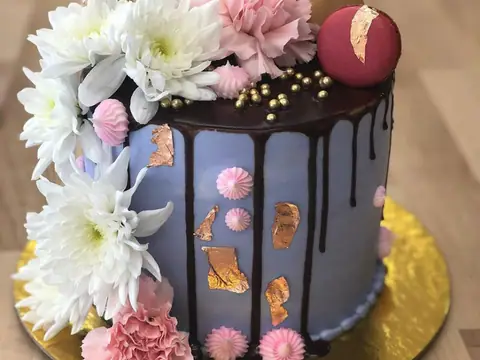
Behind the counter you will usually find the refrigerated items: tres leches by the slice, flan, gelatinas, pay de queso and decorated cakes. Those you order from staff.
Reading the pan dulce case
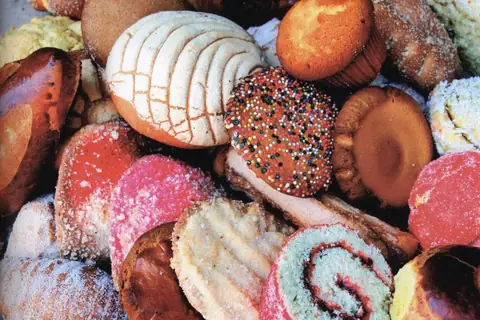
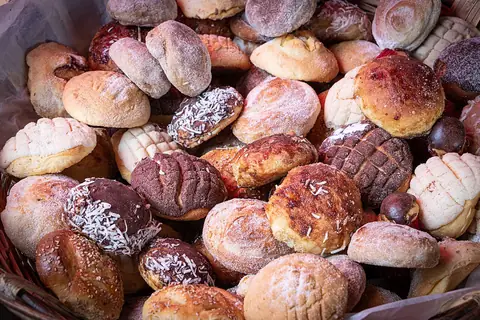
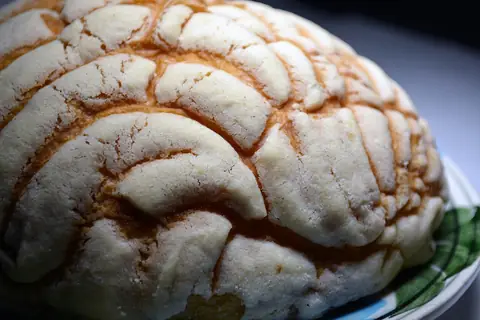
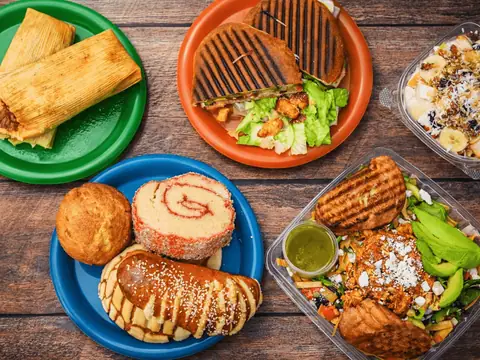
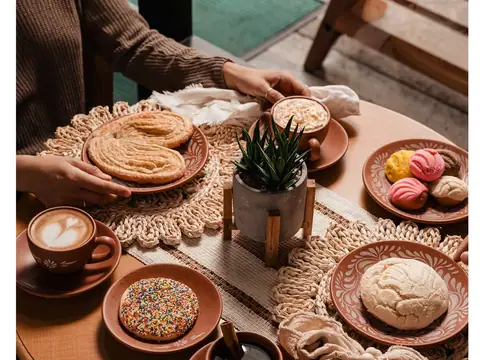
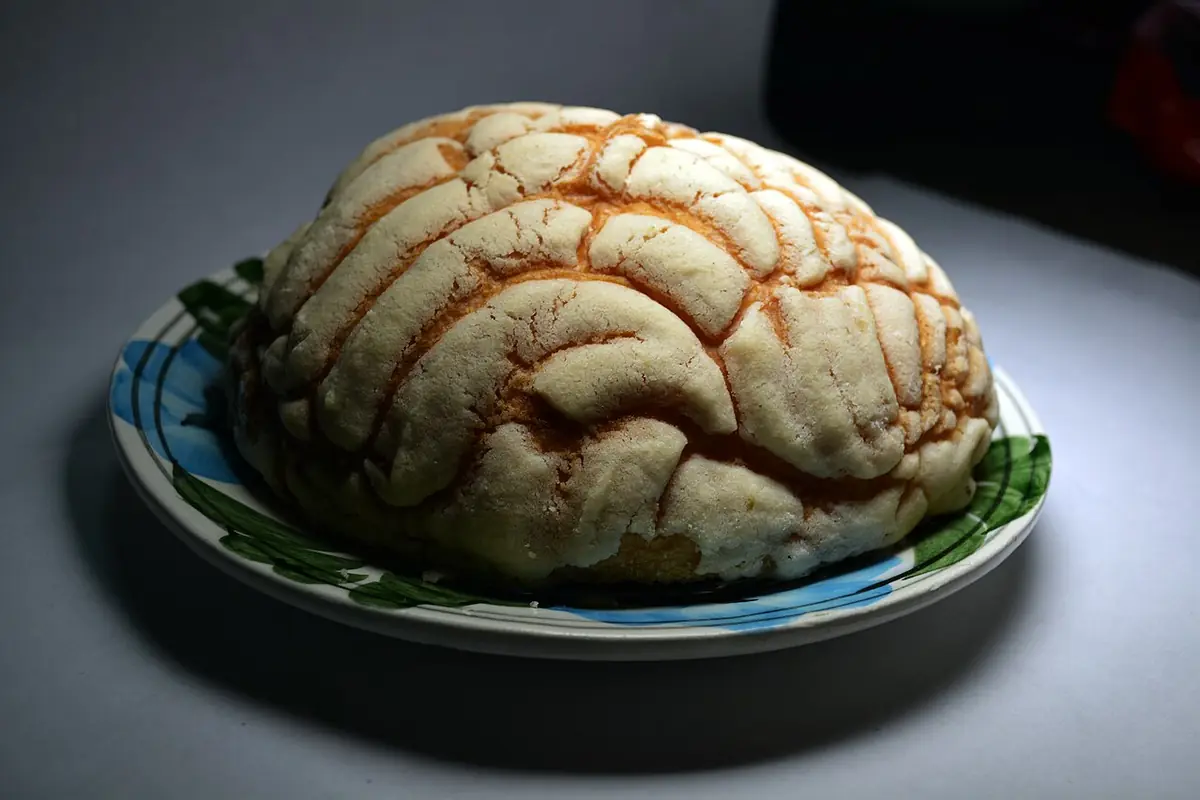
Pan dulce is a family of sweet breads, not one item, and the shapes carry meaning. The concha wears a crackly sugar topping scored like a seashell. Cuernos are crescent-shaped and buttery. Puerquitos (also called marranitos) are pig-shaped and made with piloncillo and molasses, so they are soft and only lightly sweet. Orejas are flaky palmiers, polvorones are crumbly shortbread cookies, and empanadas come stuffed with pineapple, pumpkin or cajeta.
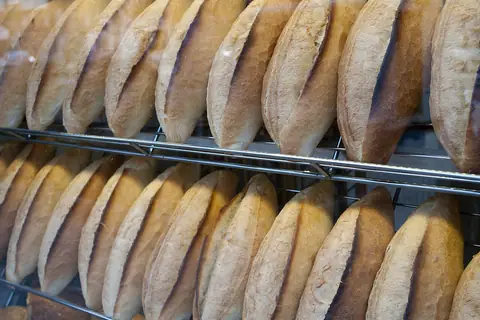
The savory side matters just as much. Bolillos and teleras are the crusty rolls behind tortas, and plenty of families buy a dozen every morning for the table.
Seasonal breads worth planning around
- Rosca de Reyes appears around January 6, an oval ring studded with candied fruit and hiding a small plastic baby. Whoever finds it traditionally hosts tamales on February 2.
- Pan de muerto arrives in late October for Día de los Muertos, flavored with orange blossom or orange zest and topped with dough shaped like bones.
- Around Christmas, look for buñuelos and, in some shops, extra batches of tamales.
These sell out fast close to the holiday, and larger roscas often need to be ordered a few days ahead.
When to go
Panaderías bake early. The first trays usually come out before 7 a.m., and the best selection is between opening and mid-morning. Bolillos are at their peak within a few hours of baking, so buy them the day you plan to use them. Late afternoon can bring a second bake at busier shops, but by evening the cases often look thin, especially on weekends.
Regional styles show up depending on who runs the shop. Bakers from Jalisco may sell birotes, the sourdough-tangy roll used for tortas ahogadas. Oaxacan bakeries often carry pan de yema, a rich egg bread served with hot chocolate. If you see something unfamiliar, ask; staff are usually glad to explain what it is and how it is eaten.