Two doughs behind every donut case
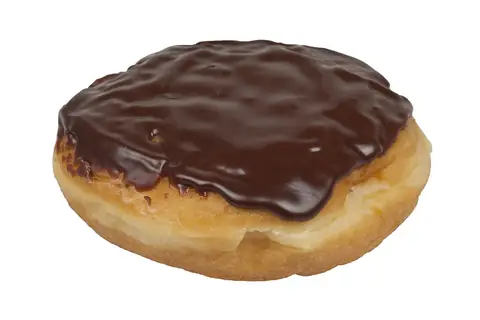
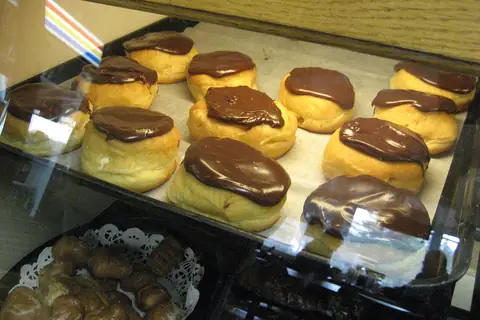
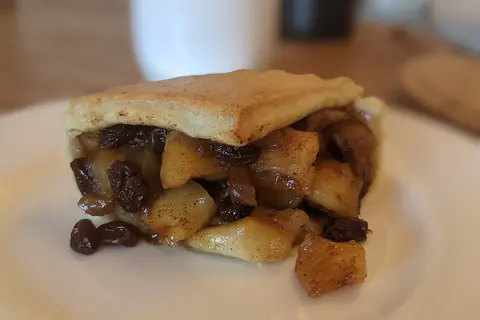
Nearly everything on a donut menu starts from one of two doughs. Yeast-raised donuts are made from an enriched, bread-like dough that is rolled, cut and left to proof until puffy before it hits the fryer. They come out light and airy, with a pale ring around the middle where they floated in the oil. Glazed rings, filled bismarcks, long johns and twists all belong to this family, and so do apple fritters, which are raised dough folded with chopped apple and cinnamon and fried in rough clusters.
Cake donuts use a batter leavened with baking powder, closer to a muffin than to bread. They have a tighter, denser crumb and a slightly crisp exterior that grabs onto toppings, which is why sprinkles, crumb toppings and powdered sugar usually go on cake donuts. The old-fashioned is a cake donut with a cracked, craggy edge that turns crunchy in the fryer and holds glaze in every fissure. West Coast shops often sell buttermilk bars, a rectangular cousin with a tangy, dense center. The French cruller stands apart: it is piped from choux paste, the same dough used for eclairs, so it is eggy, ridged and almost hollow inside.
Why the good ones open at 4 or 5 a.m.
Donuts peak within a few hours of frying, and yeast dough needs time to proof, so bakers often start around midnight or earlier. Many independent shops open between 4 and 6 a.m. and close by early afternoon, or whenever they sell out. Arrive in the first two hours for the widest choice and the best chance at a warm glazed ring; by noon on a Saturday, the specialty trays are often bare.
The independent donut shop is woven into American regional food culture. In California, Cambodian American families have run a large share of neighborhood shops since the late 1970s, and the pink cardboard box common across Southern California is often credited to them. In Texas, the same counter usually sells kolaches and sausage rolls alongside the donuts. In New England, cider donuts appear at orchards and farm stands every fall.
Ordering by the dozen
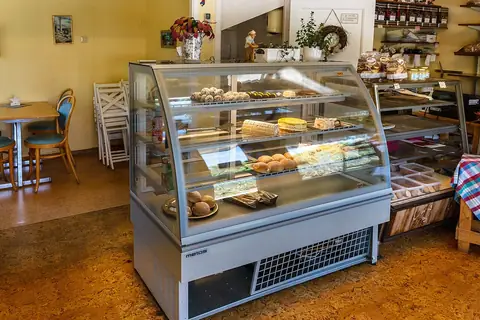
Prices vary widely by style. At a classic neighborhood shop, a glazed or cake donut often runs about $1.25 to $2.50, and a dozen roughly $12 to $25, with many shops discounting a full box compared to single pieces. Brioche-style and filled gourmet donuts from newer bakeries tend to cost $3.50 to $6 each. For an office or a team breakfast, call the day before for two dozen or more; shops can set aside a mixed box so you are not picking through leftovers at 9 a.m.
Donuts are best eaten the same day. If you have extras, leave them loosely covered at room temperature rather than in the refrigerator, which turns them stale faster, and warm a day-old raised donut for about ten seconds in the microwave.