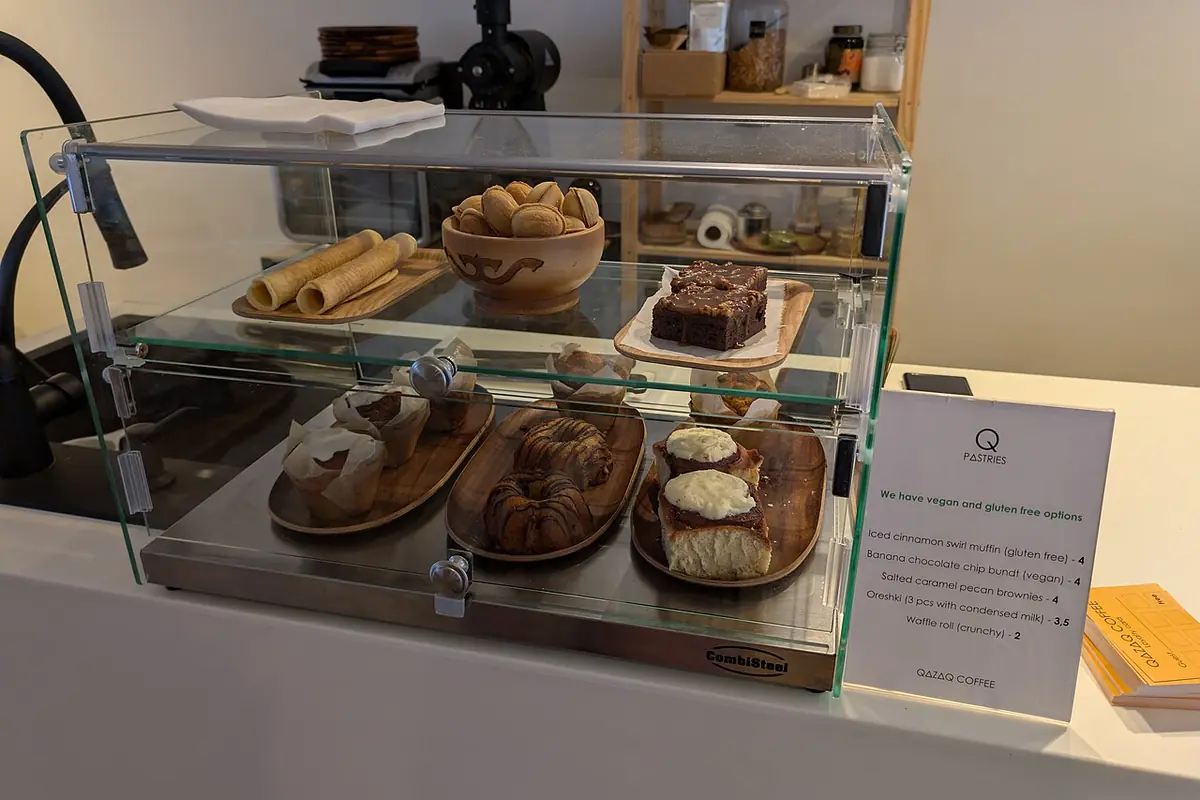
Four ways a bakery might make them
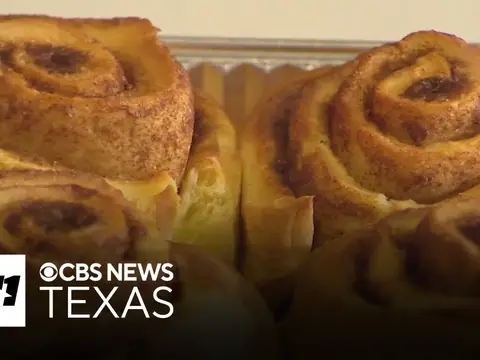
- American frosted roll: a soft, enriched dough rolled with butter, brown sugar and cinnamon, baked close together in a pan and covered with cream cheese frosting or a simple powdered sugar icing. The center roll, surrounded on all sides, is the softest.
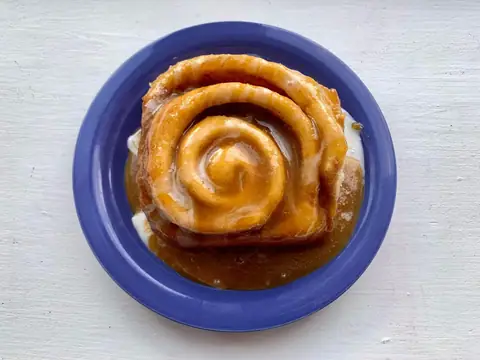
- Sticky bun: the same dough baked over a layer of butter, brown sugar and pecans, then turned out so the caramel coats the top. Philadelphia has a long tradition of them.
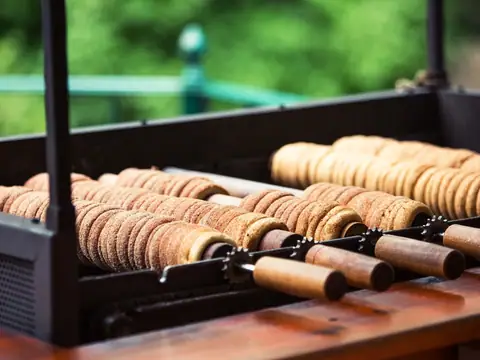
- Swedish kanelbulle: a smaller, less sweet bun flavored with cardamom, often twisted into a knot and topped with pearl sugar instead of icing. Sweden celebrates Cinnamon Bun Day on October 4.
- Laminated rolls and morning buns: croissant dough rolled with cinnamon sugar and often orange zest, baked in muffin tins until crisp and caramelized.
What a good roll looks and feels like
Pull apart a cinnamon roll and you should see a clear spiral with a dark ribbon of filling, not a dry gap where the filling has melted out. The dough should be soft and feathery, stretching rather than crumbling. Many bakers use milk, butter and eggs, and some use a cooked flour paste, a technique called tangzhong in Asian baking, to keep the roll moist for longer.
Watch the frosting-to-roll ratio. A heavy blanket of icing can hide a dry dough; good bakeries apply frosting while the rolls are warm so it melts into the spiral. Flavor-wise, most US bakeries use cassia, the bold, spicy cinnamon common in American kitchens. Some use Ceylon cinnamon, which is milder and more floral.
Timing, size and price
Most bakeries bake cinnamon rolls early in the morning, and they are best within a few hours. Weekend mornings are busiest, and some popular shops sell out before 10 a.m. Diners and roadside bakeries across the country are known for oversized rolls the size of a plate, meant for sharing.
Single rolls usually cost about $3.50 to $7, and oversized specialty rolls can be $7 to $10. Many bakeries sell pans of six or twelve, unbaked or baked, which need to be ordered a day or two ahead and often require more notice around Christmas, when a pan of rolls is a holiday breakfast tradition for many families.
Reheating without drying out
Keep leftover rolls covered at room temperature for a day or refrigerate them for up to four days. To reheat, cover with foil and warm in a 325°F oven for 10 minutes, or microwave a single roll for 15 to 20 seconds with a damp paper towel over it. Frosted rolls freeze well for a month. Unbaked take-and-bake rolls can usually rise overnight in the refrigerator and go straight into the oven in the morning; follow the bakery's instructions for time and temperature.