How a croissant gets made without butter
The hardest pastries to make without animal products are the ones built on dairy fat, and that is where a skilled vegan baker shows. Laminated dough needs a plant butter firm enough to be rolled into thin sheets without melting, so many shops use blends of coconut oil, shea, cocoa butter and sunflower oil, or buy vegan butter blocks made for pastry. When it works, you get the same honeycomb interior and crackling shell as a classic croissant. When it doesn't, the pastry tastes greasy and goes limp by noon. A plain croissant on your first visit tells you more about a shop than any decorated cake.
Eggs are replaced job by job rather than with one universal substitute. Aquafaba, the liquid from cooked chickpeas, whips like egg whites and turns up in meringues and macarons. Ground flax or chia mixed with water binds cookies and muffins. Many cakes rise on vinegar and baking soda, the same chemistry behind the Depression-era wacky cake that was made without eggs, butter or milk. Oat, soy and almond milks stand in for dairy, and soaked, blended cashews become cheesecake fillings and silky frostings.
All-vegan kitchen or a vegan shelf?
Two kinds of businesses show up in a search like this. An all-vegan bakery uses no animal products anywhere, so you can order anything in the case without asking questions. A conventional bakery with vegan options makes a few items, often cookies, cupcakes or a dairy-free loaf, on the same tables and in the same mixers as its butter-and-egg recipes. For someone avoiding animal products for ethical or environmental reasons, that is usually fine. For someone with a milk or egg allergy, it is a meaningful difference.
Strict vegans sometimes ask about sugar as well, because some cane sugar in the US is filtered through bone char. Beet sugar and certified organic cane sugar are not processed that way, and most dedicated vegan bakeries will tell you which they use. Honey is the other ingredient to watch for, particularly in whole-grain breads and granola.
Plant-based is not the same as allergen-free
Vegan baking leans on several ingredients that are major allergens in their own right. Cashews and almonds appear in cheesecakes, creams and frostings. Soy shows up in milks, butters and lecithin. Coconut is nearly everywhere, and wheat is in most of the case unless the shop is also gluten-free. If you are buying for someone with a nut or soy allergy, ask what each item contains and whether equipment is shared, and read the label on anything packaged rather than relying on the word vegan. Anyone with a severe dairy or egg allergy should confirm with the bakery directly that the kitchen handles no milk or eggs at all; a vegan label describes the recipe, not the building.
Ordering a vegan cake for guests who aren't vegan
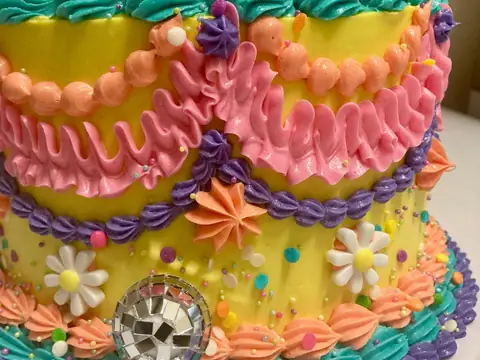
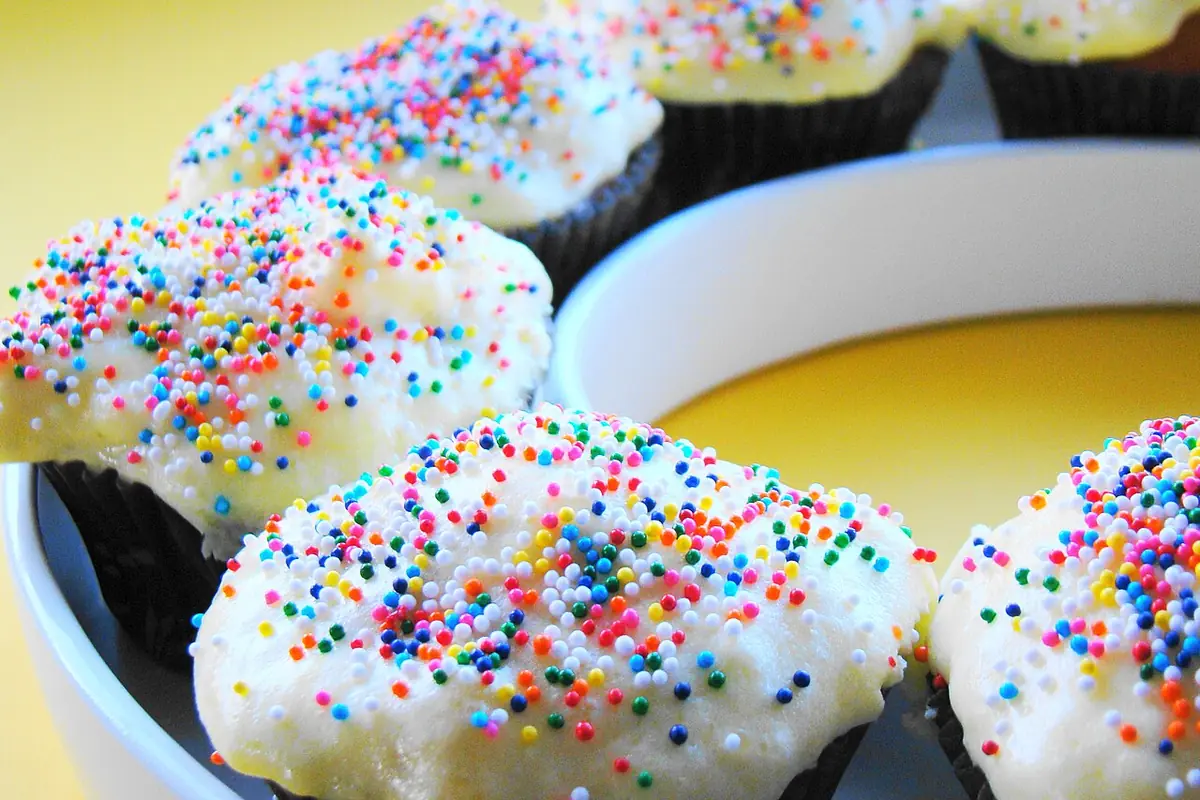
Most people will not notice a well-made vegan chocolate cake, which is a sensible goal for a birthday or office party. Chocolate, carrot, lemon and vanilla with a fruit filling are the safest choices for a mixed crowd. Plant-butter buttercream pipes cleanly and holds its shape in a cool room, but it softens faster than dairy buttercream in heat, so keep a summer cake refrigerated until about half an hour before serving. Small vegan shops often run on limited oven space, so place custom orders one to two weeks ahead. Prices tend to sit at or slightly above a conventional bakery: roughly $4 to $6 for a cupcake and about $45 to $90 for a decorated 8-inch cake, depending on the city and the design.