Judging a cupcake in the first bite
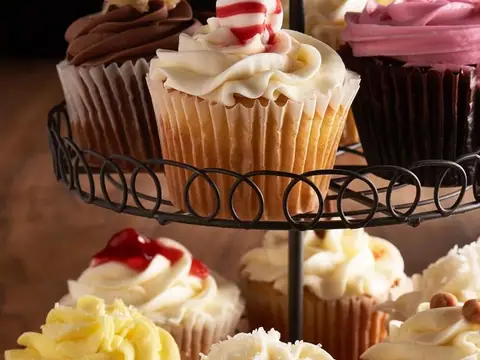
Start with the cake, because frosting can disguise a lot. A well-made cupcake has a gently domed or flat top, not a cratered one, and the crumb should be moist and fine without feeling gummy or greasy. Peel the paper liner: if it pulls away clean and the sides are golden rather than pale or dark, the batter was baked properly. Liners that have gone translucent with oil spots usually mean an oil-heavy batter or a cupcake that has sat in a humid case for a while.
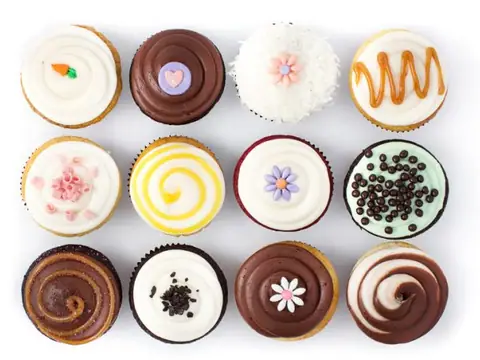
Then the frosting. The ratio is a matter of taste, but a tall swirl of American buttercream can be twice the sugar of the cake beneath it. Bakeries using meringue buttercream, whipped ganache or cream cheese frosting tend to land on a less sweet, more balanced bite. Filled cupcakes, cored and piped with curd, jam, ganache or pastry cream, are a sign that someone is putting in extra work.
Where the cupcake came from
The name likely comes from two 19th-century American habits: baking small cakes in individual cups or ramekins, and measuring ingredients by the cup instead of weighing them. Recipes for cup cakes appear in American cookbooks from the early 1800s. Paper liners and muffin tins made them easy to turn out by the tray, and by the mid-20th century they were a school bake sale and lunchbox standard. The early 2000s brought a wave of shops built entirely around them, along with oversized swirls, sprinkles and dozens of rotating flavors.
Minis, standards and jumbos by the dozen
- Mini cupcakes are two bites each and suit dessert tables, showers and office trays. Bakeries often sell them by the dozen for roughly $15 to $30.
- Standard cupcakes usually cost about $3 to $5 each at specialty shops, or $30 to $55 per dozen, with fancier toppings costing more.
- Jumbo cupcakes can run $5 to $8 apiece and work as an individual dessert rather than a snack.
For a party, plan on one to one and a half standard cupcakes per guest, or two to three minis. Many bakeries want a 24- to 48-hour heads-up for a few dozen, and a week or more for custom colors, toppers or several hundred pieces. Most will let you split a dozen across two or three flavors, though some require a minimum per flavor.
Keeping them fresh until the party
Cupcakes are best the day they are baked. Buttercream-frosted ones can sit at cool room temperature for a day in a closed box; anything with cream cheese frosting, whipped cream or a custard filling should go in the refrigerator and come out about 30 minutes before serving. Avoid stacking boxes, and carry them on a flat surface; the frosting is the first casualty of a sharp turn.