Muffin or cupcake? The method gives it away
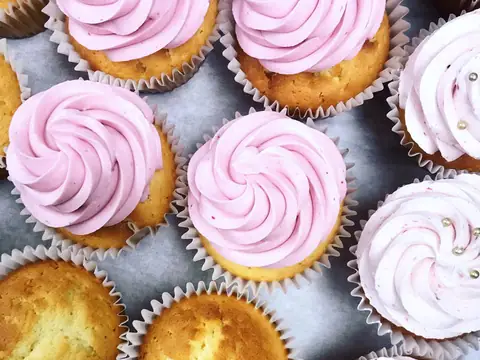
American muffins are quick breads. Bakers mix the dry ingredients in one bowl and the wet ingredients (eggs, milk or buttermilk, melted butter or oil) in another, then fold them together just until combined. This is called the muffin method, and the light hand matters: overmixing develops gluten and leaves tunnels and a tough crumb. Cupcakes, by contrast, usually start by creaming butter and sugar, use more sugar and fat, and get frosting.
A well-made muffin has a slightly coarse, moist crumb, a top that rises above the paper and crisps at the edges, and only modest sweetness. Bakery muffins have grown huge over the years; a standard tin muffin is about 2 to 3 ounces, while a jumbo bakery muffin can weigh 5 ounces or more and carry the sugar of a slice of cake.
Clues in the case
- Tall, cracked domes show a fresh batter baked at a high initial temperature.
- Visible fruit spread through the crumb, not sunk at the bottom. Bakers toss berries in flour or fold them in at the last moment to keep them suspended.
- A crunchy top, from coarse sugar or a streusel crumb, adds texture and helps lock in moisture.
- No greasy paper. Oil soaking through the liner usually means a heavy, overly rich batter.
Ask what time they were baked. Most cafés bake muffins early in the morning, and they are noticeably better before noon. Day-old muffins are often discounted. A muffin that has sat under plastic since dawn will often have a damp, sticky top; one cooled on a rack in an open case keeps its crisp edge longer. Small bakeries also tend to bake fewer flavors in smaller batches, which is usually a good trade.
Regional and old-school favorites
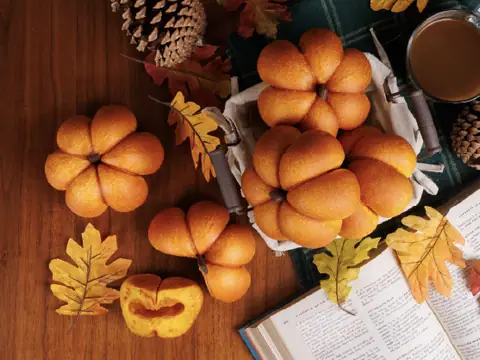
Maine claims the blueberry muffin, and the best New England versions use small, intensely flavored wild blueberries. The corn muffin is a diner and deli staple in the Northeast and the South, where it is served warm with butter alongside barbecue or chili. The morning glory, with carrot, apple, coconut, raisins and nuts, became a café standard in the 1980s. Bran muffins sweetened with molasses are an old-fashioned favorite, and in fall bakeries add pumpkin and spice muffins. Do not confuse any of these with English muffins, which are griddled yeast breads split and toasted.
Prices and keeping them fresh
Expect about $3 to $5 for a standard bakery muffin and $4 to $6 for jumbo or specialty versions. Some bakeries sell half-dozen boxes or mini muffins by the dozen for meetings. Store muffins in a container lined with a paper towel to absorb moisture for up to two days, or freeze them individually for a month. Warm them in a 300°F oven for 8 to 10 minutes to refresh the tops.