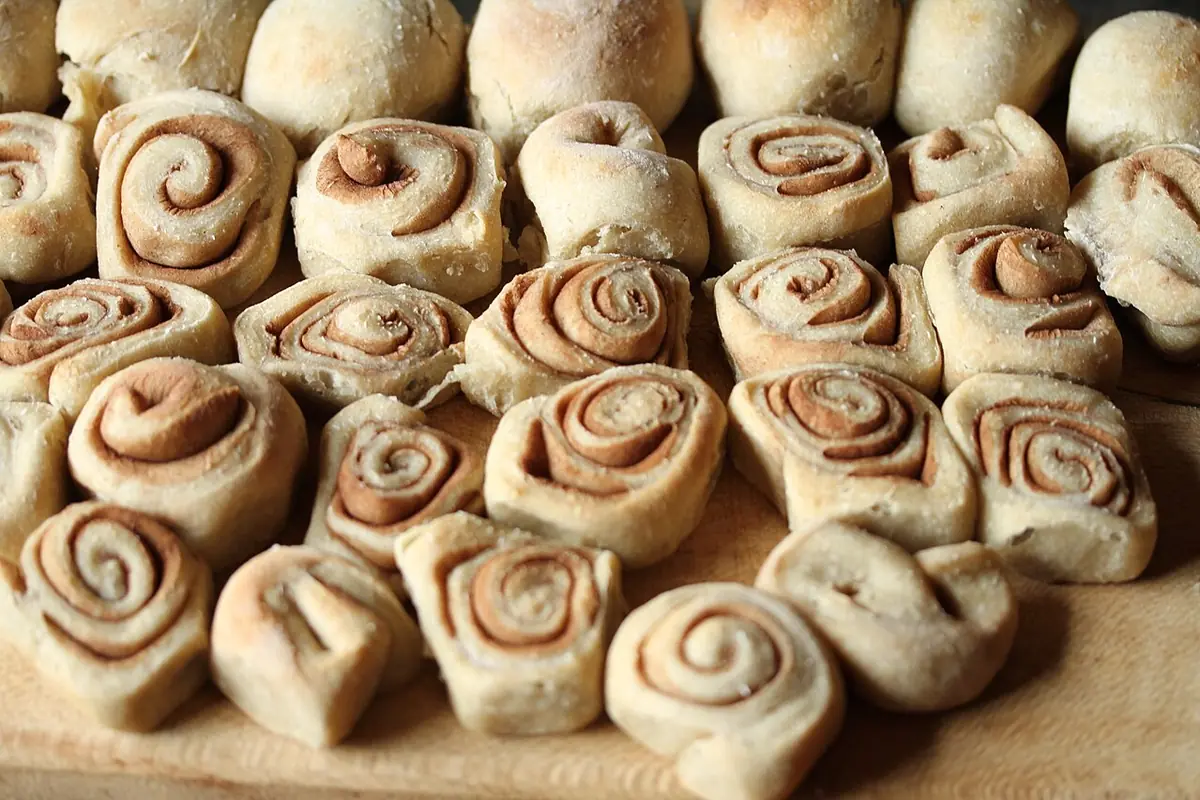
A dedicated gluten-free kitchen versus a gluten-free menu
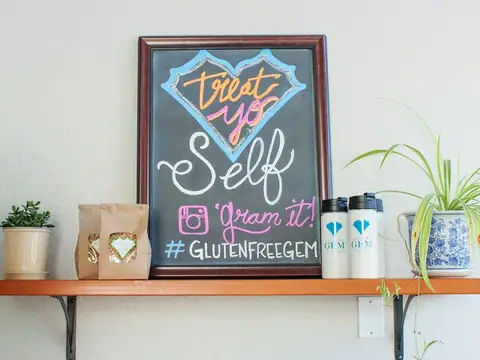
A dedicated gluten-free bakery keeps wheat, barley and rye out of the building entirely. No conventional flour is milled, mixed or dusted on the counters, nothing shares a fryer or a sheet pan, and every item in the case comes from the same safe pantry. Some shops go a step further and carry third-party certification. The Gluten-Free Certification Organization, for example, requires finished products to test at 10 parts per million of gluten or less, which is stricter than the 20 ppm limit the FDA sets for labeling a packaged food gluten-free.
A bakery with gluten-free options is a conventional shop that also makes some items from gluten-free recipes. The recipes may be fine, but wheat flour can hang in the air for hours after mixing and settle on cooling racks, scales and bins. Careful bakers schedule gluten-free production first thing in the morning on cleaned equipment, yet cross-contact is still possible. Those items may suit someone reducing gluten by preference; for people with celiac disease, they carry more risk.
Five questions to ask before you buy
- Does any wheat, barley or rye flour enter this kitchen, even on a different day?
- Are your oats certified gluten-free? Ordinary oats are frequently contaminated with wheat during growing and milling.
- Do gluten-free items have their own mixers, pans, fryers and cutting boards?
- Are gluten-free pastries displayed and bagged separately from regular ones?
- Are your products tested or certified, and by which organization?
Specific answers are a good sign. Vague reassurance such as “we’re very careful” is a reason to keep looking. If you are unsure what level of risk is acceptable for you, ask your gastroenterologist or a registered dietitian, not the bakery.
Why gluten-free bread stales faster, and what to do about it
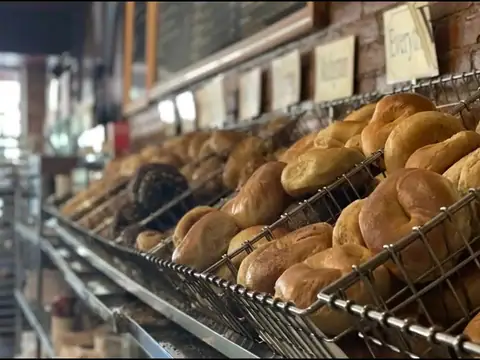
Without gluten there is no stretchy protein web to trap the gas from yeast, so bakers build structure from blends. Brown and white rice flour, sorghum, millet, teff and buckwheat (unrelated to wheat despite its name) supply flavor. Tapioca and potato starch add chew, while psyllium husk and xanthan gum mimic the elasticity gluten normally provides. A good loaf has a crackly crust and an open, springy crumb, but those starches firm up quickly, so gluten-free bread dries out faster than wheat bread.
Buy bread the day it is baked, slice anything you won’t eat within a day, and freeze it in a sealed bag. Toasting revives most loaves. Cakes, brownies and cookies hold up far better, because they never relied on gluten to begin with, which is why a dedicated bakery’s chocolate cake or brownie is often its standout.
What gluten-free baking costs
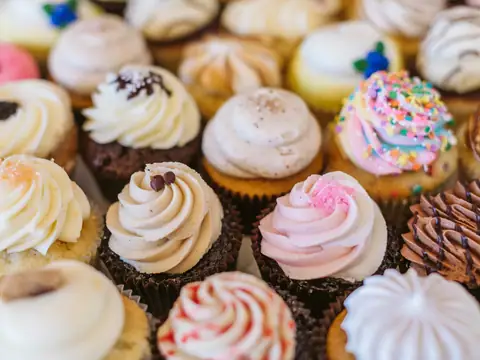
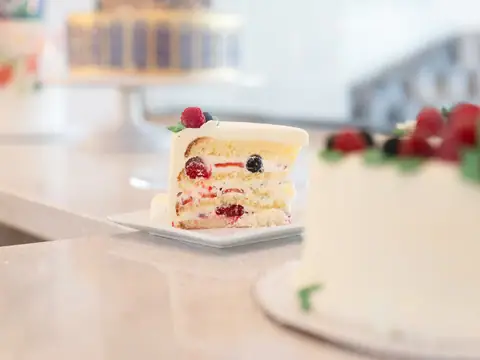
Specialty flours, certified ingredients and separate equipment all add cost. In most US cities, expect roughly $8 to $14 for a gluten-free loaf, $4 to $6 for a cupcake and somewhere between $45 and $100 for a custom celebration cake, depending on size and decoration.