Dedicated facility or shared kitchen?
This is the first question to settle, because it decides which bakeries are realistic options. A dedicated gluten-free bakery keeps wheat, barley and rye out of the building entirely. A shared kitchen bakes regular and gluten-free products side by side, and wheat flour is notorious for hanging in the air and settling on surfaces, mixers and sheet pans.
Shared kitchens can still be careful: separate mixers and pans, gluten-free baking scheduled first thing after a cleaning, sealed storage. But they cannot promise zero cross-contact, and most honest bakers will tell you so. If you or your guest has celiac disease or a wheat allergy, ask directly and believe the answer. If the bakery says its gluten-free cakes are fine for people avoiding gluten by choice but not for celiac, that is useful information, not a dodge.
Questions worth asking before you order
- Is the kitchen dedicated gluten-free, and if not, how are gluten-free orders separated?
- Are the frosting, fillings and decorations gluten-free too? Cookie crumbles, some sprinkles, malt-based ingredients and certain fondants can contain gluten.
- Is the oat flour, if used, certified gluten-free?
- Does the bakery test or certify its products, or follow a third-party certification program?
- Will the cake be boxed separately from regular items at pickup?
Under FDA rules, a product labeled gluten-free must contain less than 20 parts per million of gluten. Small bakeries often do not label formally, which is another reason to ask how they work.
What a good gluten-free cake is made of
Without gluten, cake batter needs other ways to hold structure and moisture. Bakers usually blend several flours: white or brown rice flour for body, tapioca or potato starch for tenderness, and sorghum or oat flour for flavor. A small amount of xanthan gum or psyllium mimics the stretch of gluten. Almond flour shows up often, which makes for rich, moist cakes but is a problem for nut allergies, so ask.
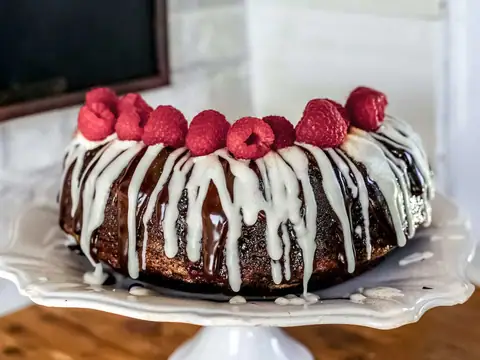
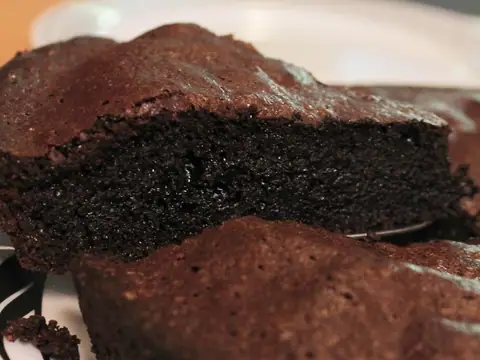
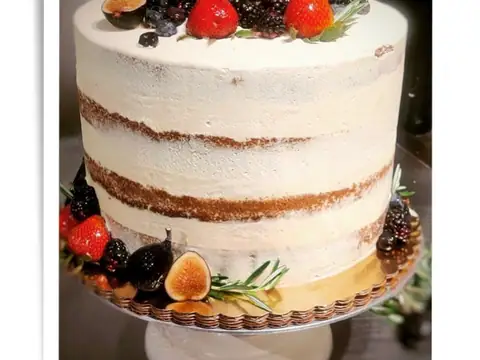
Some cakes are naturally gluten-free and tend to be the best options: flourless chocolate torte, almond cakes, meringue-based pavlova and certain cheesecakes made without a graham crust. A well-made layer cake should be moist and tender rather than gritty or crumbly, and it should not taste of beans, which signals a heavy hand with chickpea or fava flour.
Price, timing and storage
Gluten-free ingredients cost more and many shops bake in smaller batches, so expect a premium of roughly 10 to 30 percent over a comparable regular cake. A 6 inch gluten-free round commonly runs $35 to $60, and 8 inch cakes $45 to $80. Order at least several days ahead; shared-kitchen bakeries often schedule gluten-free baking on specific days. Gluten-free cake dries out faster than wheat cake, so serve it within a day or two and keep leftovers tightly wrapped.