The kettle is the whole point
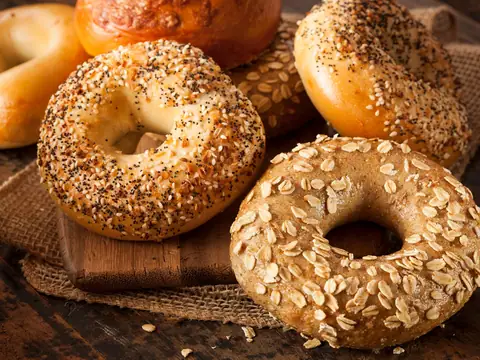
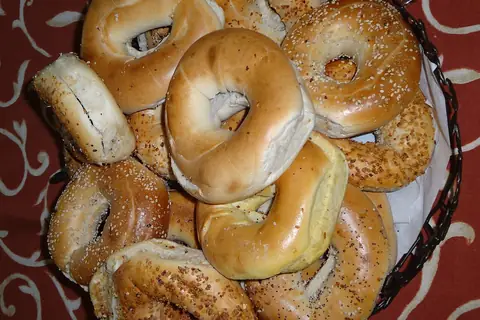
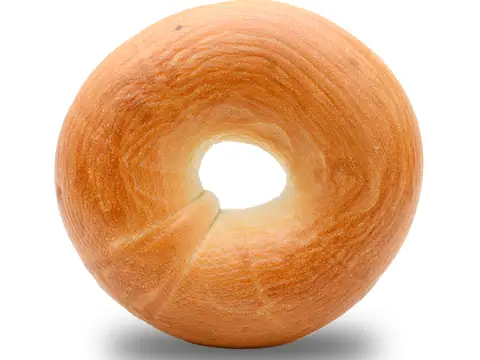
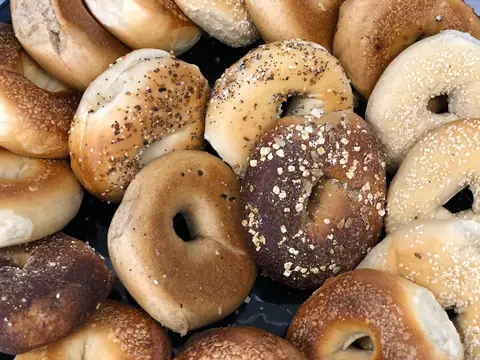
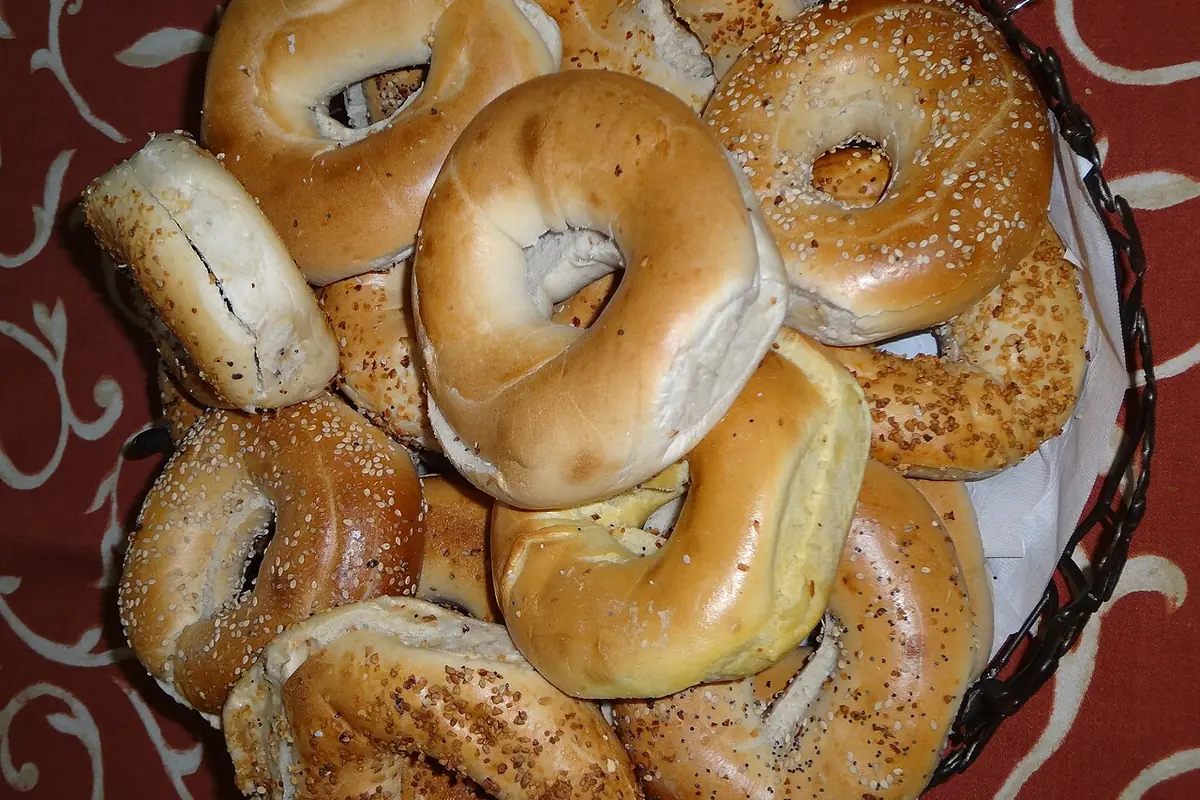
A traditional bagel is shaped, left to ferment slowly in the refrigerator overnight, then dropped into boiling water for a minute or so before baking. That boil sets the outer layer of starch, which is why a real bagel has a shiny, slightly blistered skin and a dense, chewy interior that fights back a little. Many shops add barley malt syrup or honey to the water for color and a faint sweetness. The dough itself is stiff, made with high-protein flour and relatively little water.
Plenty of chains and supermarkets skip the kettle and bake steamed bagels in steam-injected ovens instead. They are faster to produce and come out puffier, softer and more bread-like, with a matte crust. Neither is wrong, but if you are hunting for the chewy, crackly version, ask whether the shop boils. Many say so on the sign.
New York or Montreal?
- New York style bagels are larger and saltier, boiled in plain or malted water, and baked on boards or in deck ovens. Many shops flip them partway through so the bottom gets crisp. They are built to be split and loaded with cream cheese.
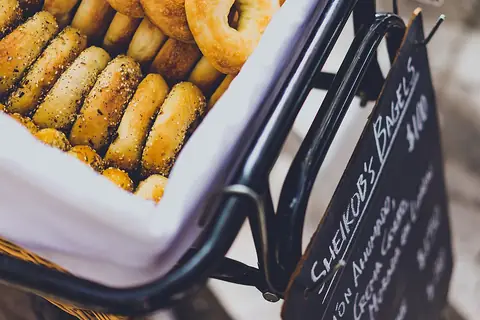
- Montreal style bagels are smaller and thinner, with a wider hole. The dough contains egg and no salt or very little, they are boiled in honey-sweetened water, and they are baked in wood-fired ovens. The result is sweeter, denser and crisper, usually rolled in sesame seeds and often eaten plain.
A few US shops bake both, and some sell bialys, a flat, unboiled roll from Poland with a shallow well of onion and poppy seed in the center instead of a hole.
How to order at the counter
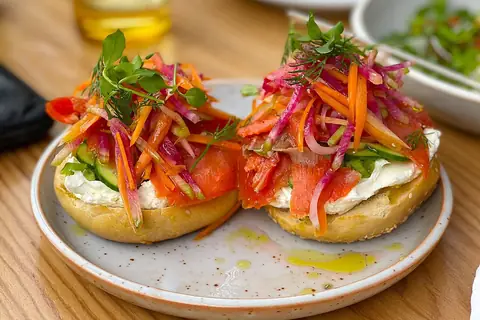
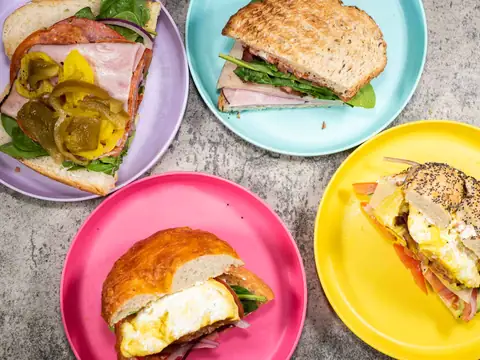
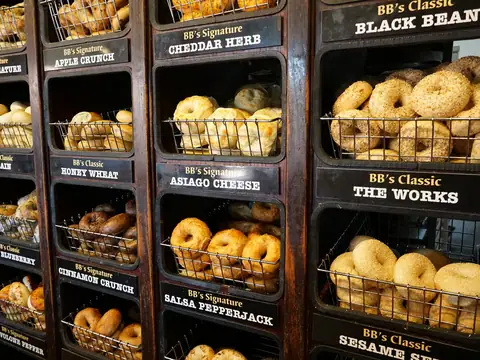
Busy shops move fast, so know your order before you reach the front. Name the bagel, then the spread: a schmear is a generous layer of cream cheese, plain or flavored with scallion, vegetables or lox. Smoked fish runs from nova, a mild cold-smoked salmon, to true lox, salt-cured belly with no smoke, plus whitefish salad and sable at Jewish appetizing counters. Some regulars ask for their bagel scooped, with part of the soft interior removed. Purists skip the toaster on a fresh bagel and save toasting for day-olds.
A single bagel typically costs about $1.50 to $3, a dozen roughly $16 to $30, and a loaded lox sandwich $12 to $20. Some shops still hand over a baker’s dozen, 13 for the price of 12. Bagels stale within a day, so slice extras, bag them airtight and freeze them; toast straight from the freezer.