The Thursday-and-Friday rhythm
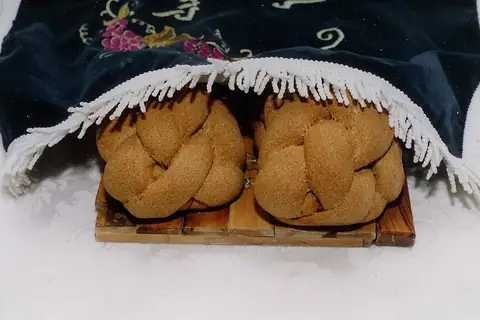
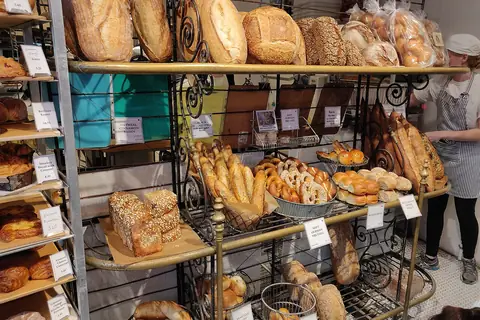
Challah sales follow the calendar. Shabbat begins at sundown on Friday, and the tradition is to bless two loaves at the meal, recalling the double portion of manna in the wilderness. Bakeries that sell challah usually bake their biggest batches on Thursday night and Friday morning, and many kosher bakeries close early Friday and stay closed on Saturday.
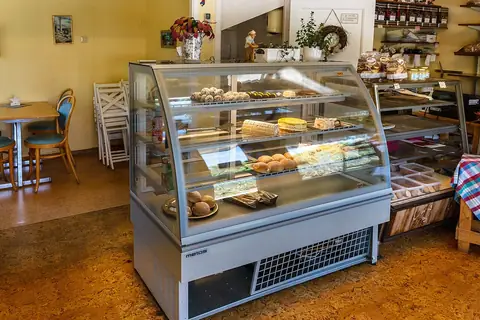
That shapes how to shop. Friday afternoon lines can be long and favorite styles sell out. Preordering by Wednesday or Thursday is common, and some bakeries take standing weekly orders. If you just want challah for French toast on Sunday, buying Friday morning works fine; it keeps well for a few days.
The word itself refers to the portion of dough set aside as an offering in biblical times, a practice still observed by many bakers who separate a small piece of dough before baking.
Strands, rounds and holiday shapes
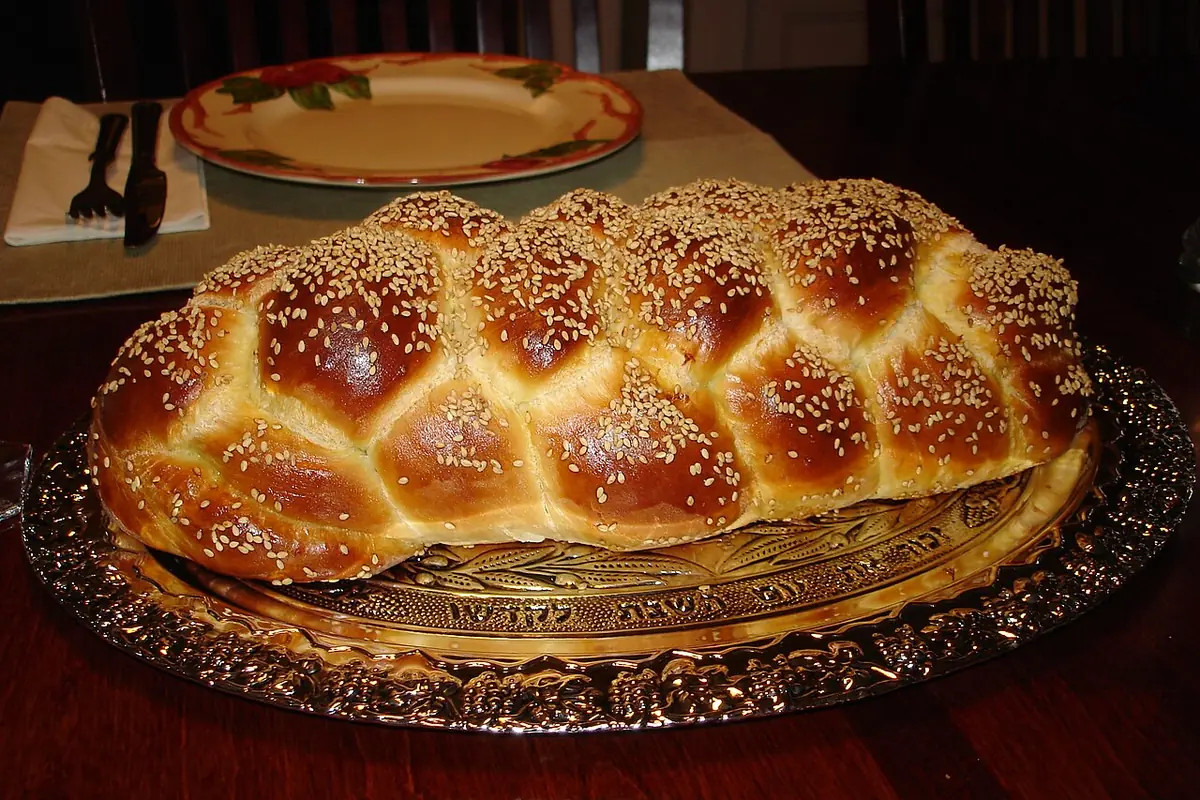
- Three-strand braids are the classic everyday loaf.
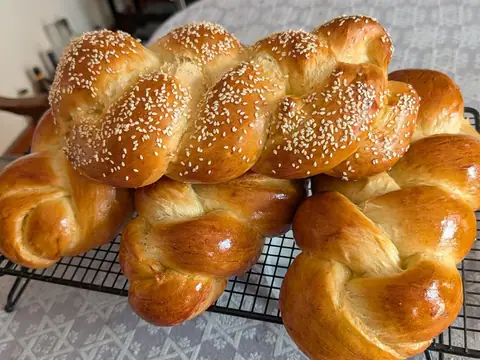
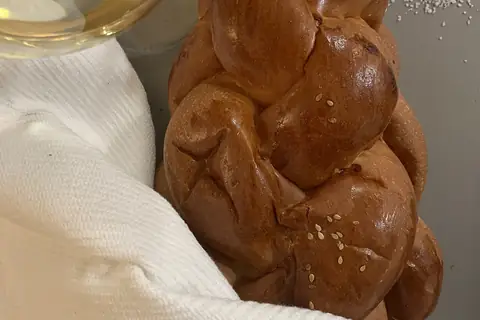
- Four- and six-strand braids are taller and more sculptural, a sign of an experienced shaper.
- Round challah, coiled or crown-shaped, appears for Rosh Hashanah to symbolize the cycle of the year, often studded with raisins and dipped in honey at the table.
- Key-shaped or key-topped loaves are baked by some families on the Shabbat after Passover.
- Rolls and mini challahs suit individual place settings and kiddush.
Toppings range from plain egg wash to sesame, poppy, everything seasoning and streusel. Some bakeries fill or swirl challah with chocolate, cinnamon or apples and honey for the High Holidays.
Egg, water and pareve
Most American challah is egg challah: flour, water, yeast, eggs, sugar or honey, oil and salt. It is traditionally made with oil rather than butter so that it is pareve, neither meat nor dairy, and can be served with any kosher meal. Water challah, made with little or no egg, is lighter and is preferred in some communities; a few bakeries also offer vegan, whole wheat and spelt versions.
If you keep kosher, ask which agency supervises the bakery and look for the certificate on display. A bread labeled kosher-style is not the same as one made under supervision. For guests with egg or sesame allergies, ask about shared trays and toppings.
What a good loaf looks like
A deep, glossy mahogany crust from a double egg wash, tight braids that have risen evenly without splitting, and a crumb that pulls apart in soft, slightly sweet strands. Typical prices run $7 to $12 for a standard loaf, $10 to $18 for large or filled loaves. Store in a bag at room temperature for two to three days, or freeze; day-three challah makes the best French toast and bread pudding.