Reading the certification
Kosher bakeries display a certificate, usually near the register, from a hechsher (certifying agency). National agencies include the OU, OK, Star-K and Kof-K, and many cities have a local vaad or rabbinical council that certifies neighborhood shops. Packaged items carry the agency's symbol. Check that the certificate is current and covers the location you are in, since some agencies certify only certain products or branches. Standards differ between agencies, so observant customers often follow the guidance of their own rabbi or community on which certifications they accept.
Pareve, dairy and why it matters
Kosher law separates meat and dairy, and baked goods fall into one of three categories:
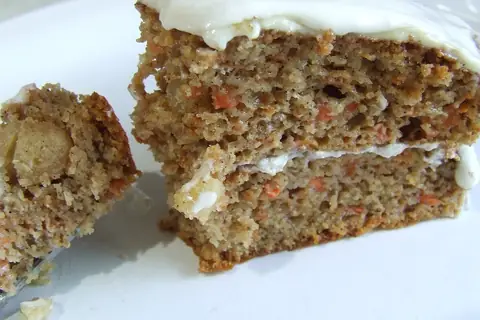
- Pareve: contains neither meat nor dairy. Pareve cakes use oil or margarine and nondairy whipped topping, so they can be served after a meat meal. Many kosher bakeries are entirely pareve for exactly that reason.
- Dairy (often marked with a D or the word dairy): made with butter, milk or cheese, or on dairy equipment. These include cheesecake, butter croissants and cream-filled pastries.
- Meat: rare in bakeries, but some sell meat-filled items like knishes.
If you are planning dessert for a meat meal, ask specifically for pareve. Some customers also look for Cholov Yisroel dairy, meaning milk supervised from milking.
Pas Yisroel and challah separation
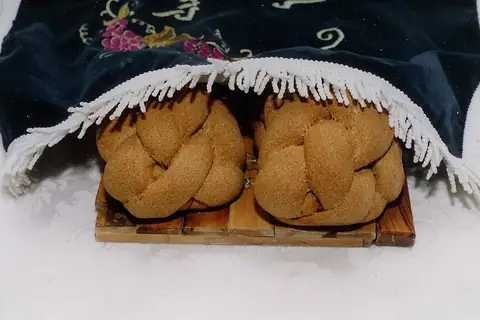
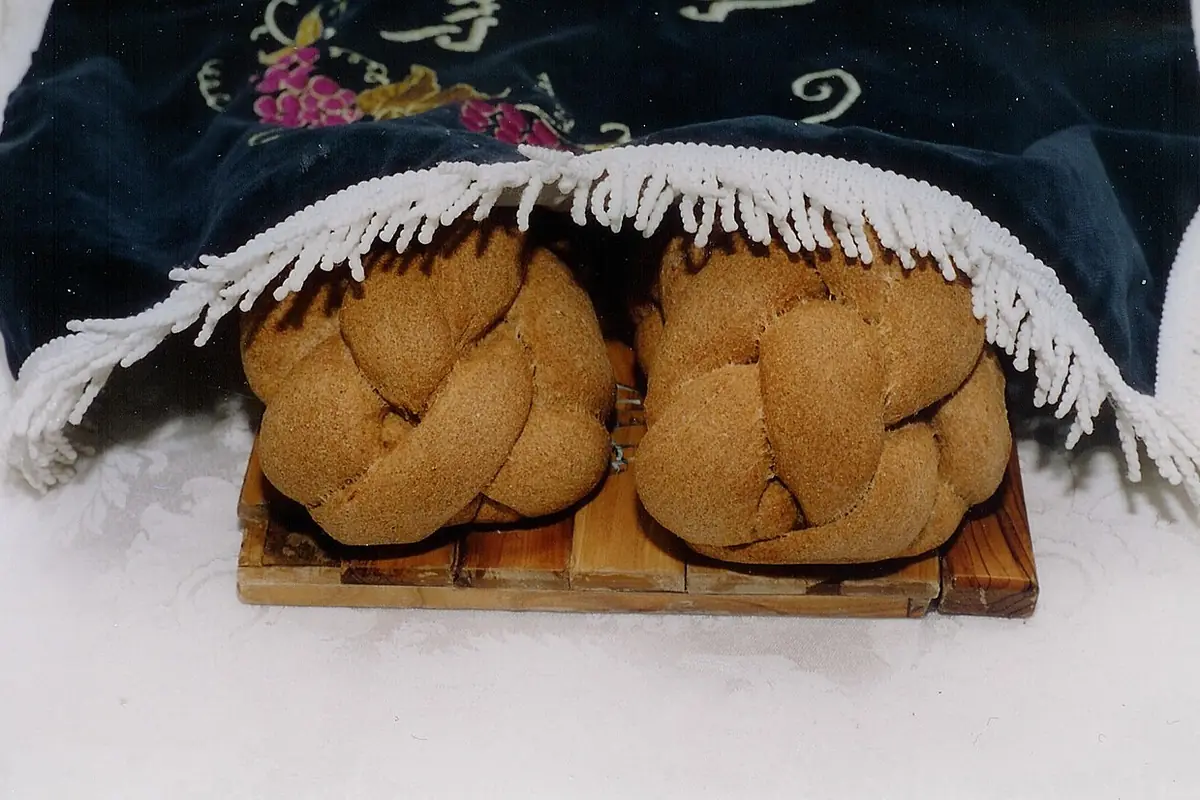
Pas Yisroel means bread baked with the participation of a Jewish person, often fulfilled by lighting the oven. Some communities require it, and bakeries will say so on their certificate or signage. Bakeries that make large batches of dough also perform hafrashat challah, separating a small portion of the dough as a religious obligation. You do not need to do anything about this as a customer, but it is part of why kosher bread is produced under supervision.
Shabbat, holidays and Passover
Kosher bakeries close for Shabbat, usually from Friday afternoon before sundown until after nightfall on Saturday, and some reopen Saturday night. Thursday evening and Friday morning are the busiest times of the week, so preorder challah and cakes. Before major holidays, hours stretch and lines lengthen. During Passover, regular bread products are not permitted. Some kosher bakeries close for the week, while others are certified kosher for Passover and sell macaroons, sponge cakes, meringues and flourless chocolate cakes made without regular flour.