Hidden ingredients in ordinary baked goods
Most bread, cake and cookie recipes are simple, but a few common ingredients can come from non-halal sources:
- Gelatin: used in mousse cakes, glazes, marshmallows, some whipped toppings and gummy decorations. It is often made from pork or from cattle not slaughtered according to Islamic rules.
- Lard: still used in some pie crusts, tortillas and traditional pastries.
- Alcohol: rum cakes, tiramisu with liqueur, brandy-soaked fruitcakes and some fillings. Vanilla extract also contains alcohol, and scholars and certifiers differ on how to treat it in baked goods.
- Emulsifiers and enzymes: mono- and diglycerides, some dough conditioners and L-cysteine can be animal-derived.
- Meat fillings: savory pastries need halal meat.
A halal bakery sources these ingredients from halal-certified or plant-based suppliers, or avoids them altogether.
Certified versus halal-friendly
Some bakeries hold certification from organizations such as IFANCA, ISNA's halal certification arm or the Halal Food Standards Alliance of America, and will display a certificate. Others are run by Muslim owners who follow halal practices without formal certification. Both can be trustworthy, but the only way to know is to ask. Useful questions: Is the gelatin plant-based or halal-certified? Do you use vanilla extract or alcohol-free flavoring? Is any meat halal, and from which supplier? Are any products brought in from other bakeries?
What halal bakeries sell
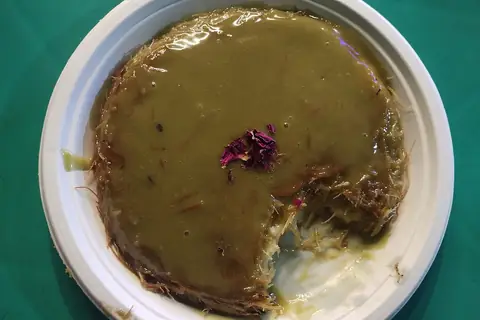
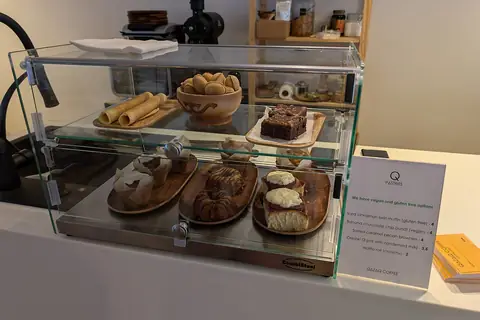
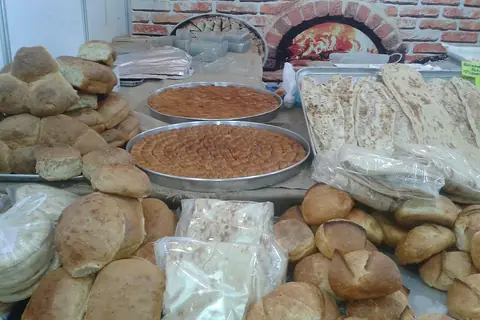
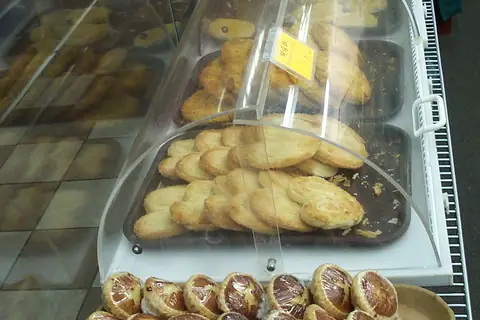
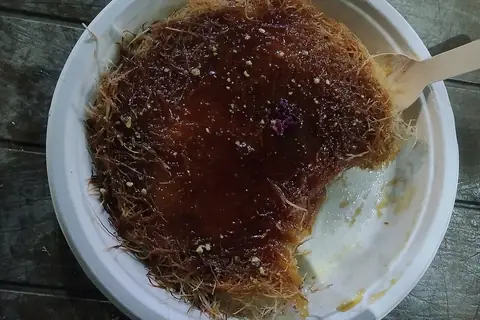
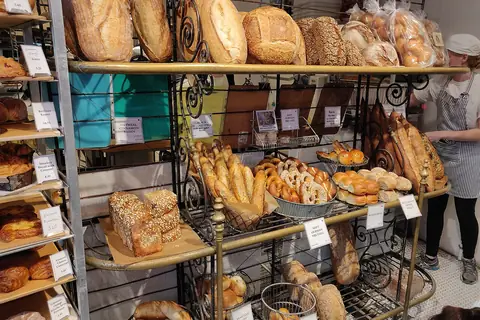
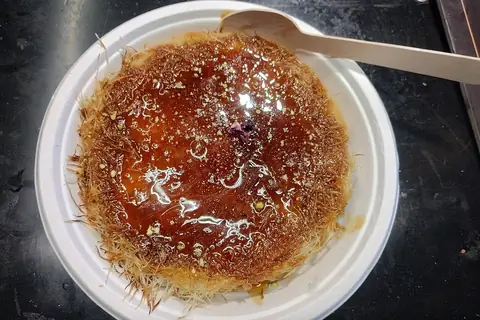
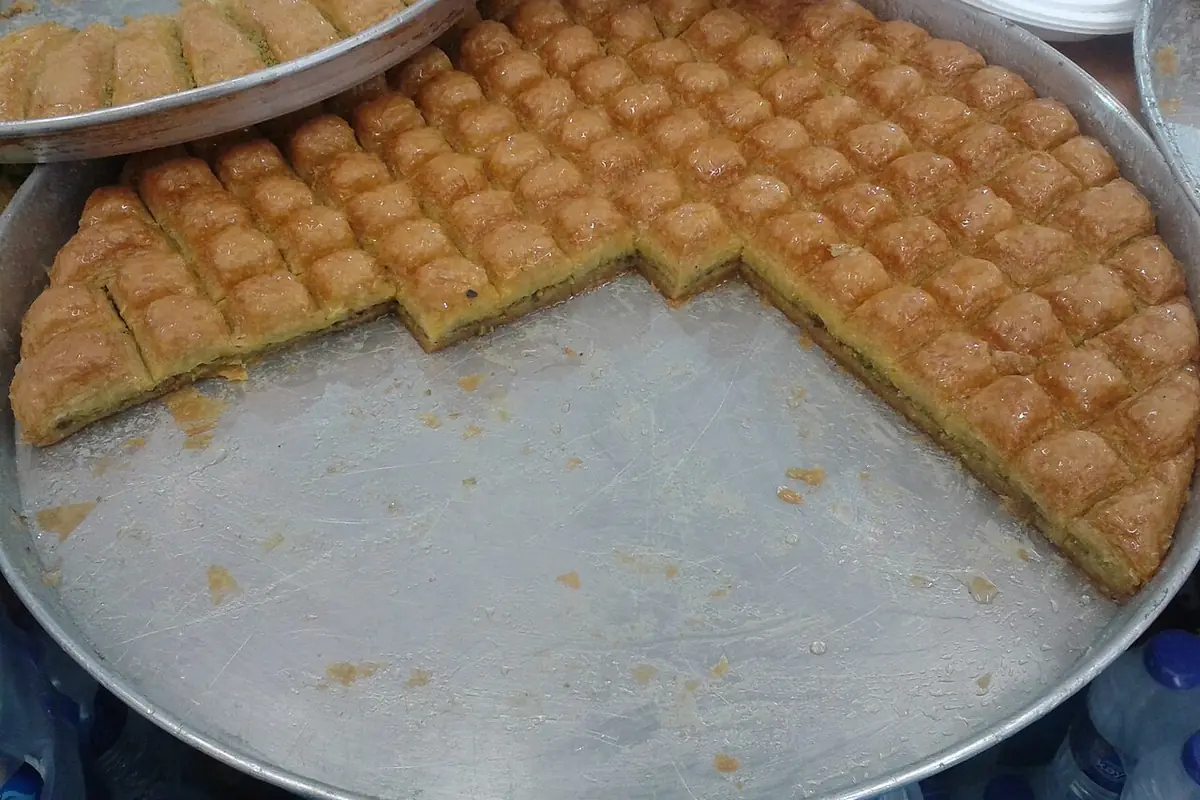
Because halal is a standard rather than a cuisine, the menus vary widely. Middle Eastern halal bakeries offer baklava, knafeh, ma'amoul and meat pies. Pakistani and Indian shops sell eggless and regular cakes, puffs, rusks and nankhatai. Turkish bakeries make simit, poğaça and börek. Many halal cake shops specialize in custom birthday and wedding cakes with fondant and sugar flowers, using agar or certified gelatin for mousse layers.
Ramadan and Eid
During Ramadan, many halal bakeries extend their hours into the night for iftar and suhoor, and sell extra dates, pastries and sweets. Eid al-Fitr and Eid al-Adha bring heavy demand for cakes, cookies and gift trays, so order at least several days before the holiday, and earlier for large custom cakes.
Eid gift trays are a tradition in many communities: assortments of ma'amoul, baklava, nankhatai, biscuits or decorated cookies boxed for neighbors, coworkers and relatives. If you are ordering for a mosque event or a large family gathering, ask about sheet cakes and trays priced by the serving, which are usually more economical than several smaller cakes. Nights during the last ten days of Ramadan and the morning before Eid prayers are typically the busiest times, so pick up your order a day early if the bakery allows it and keep cream cakes refrigerated.