The savory oven
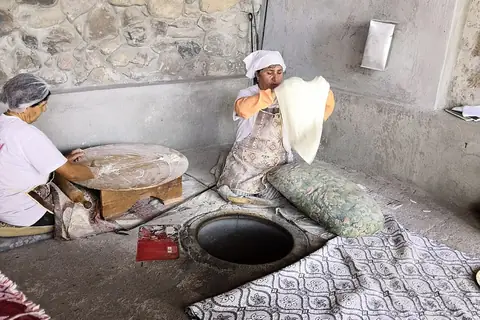
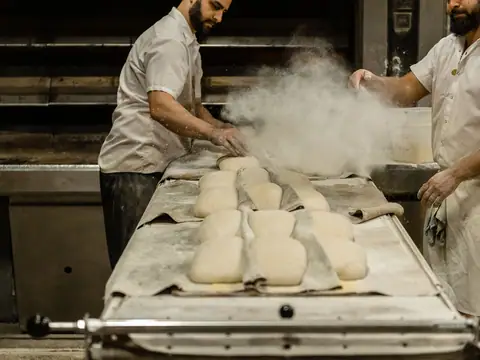
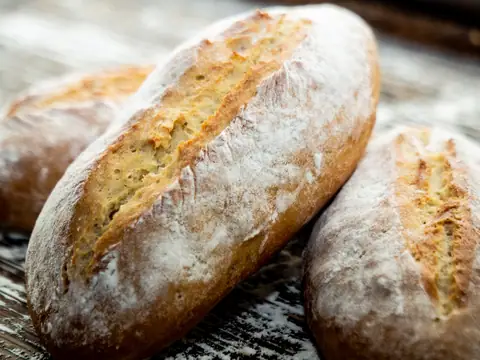
Some of the best things in these shops are not sweet at all. Mana'eesh are flatbreads baked with za'atar (wild thyme, sumac and sesame) and olive oil, or with melted akkawi cheese. Fatayer are triangular pies filled with spinach, onion and sumac. Sfeeha and lahm bi ajeen are open-faced meat pies; the Armenian and Turkish cousin, lahmajun (lahmacun), is rolled thin and eaten with parsley and lemon. Many bakeries also bake pita and larger flatbreads all day. Buy them warm, and expect to pay a modest per-piece price for pies, often a few dollars each.
Sweets by the pound
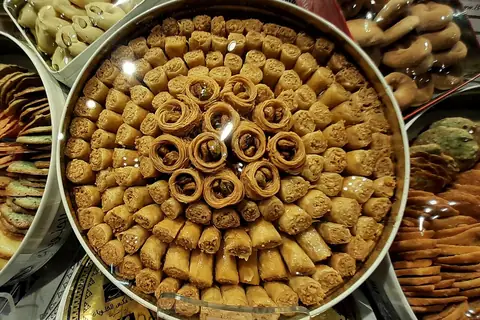
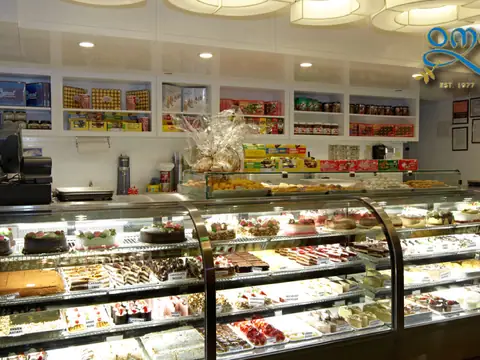
The sweets case is priced by weight, and staff will fill a box with whatever mix you point to.
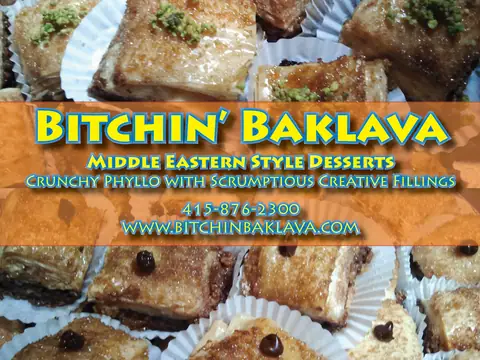
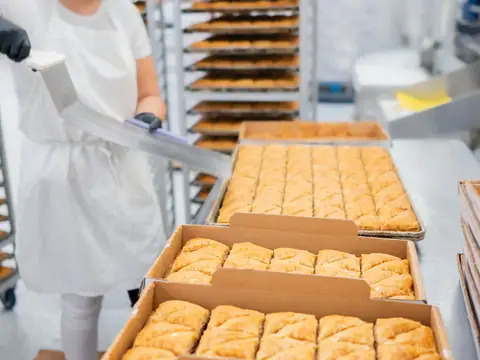
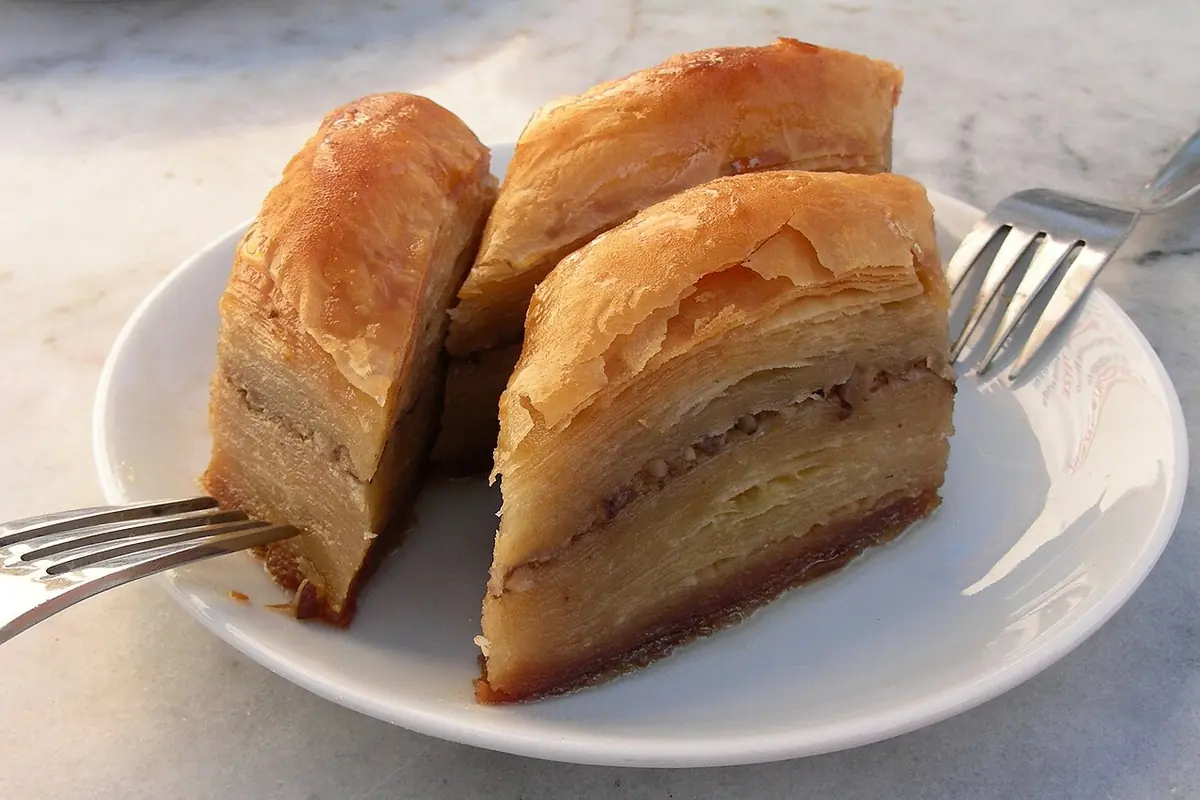
- Baklava: layers of phyllo with walnuts, pistachios or cashews, soaked in syrup. Levantine and Turkish versions use a sugar syrup often scented with orange blossom or rose water; Persian versions add cardamom and rose water and are cut into small diamonds.
- Knafeh: shredded kataifi dough or fine semolina baked over a stretchy white cheese and drenched in syrup, served warm, often topped with pistachio.
- Ma'amoul: semolina cookies filled with dates, pistachios or walnuts, pressed in carved molds.
- Barazek: thin, crisp cookies with sesame on one side and pistachio on the other.
- Bird's nests and fingers: shaped phyllo or kataifi pastries with whole pistachios.
Pistachio-heavy pieces usually cost more per pound than walnut ones. Ask for a mixed box if you want to taste across the case.
Armenian and Persian specialties
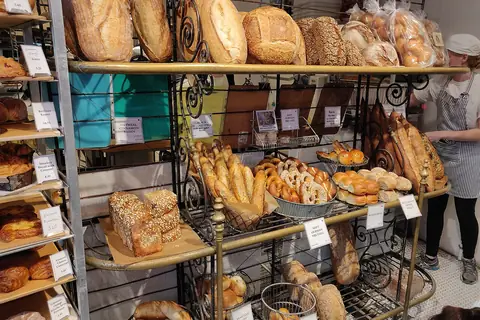
Armenian bakeries are known for choreg, a braided sweet bread flavored with mahleb (ground cherry pits), especially around Easter; gata, a sweet bread with a buttery, crumbly filling; and flaky cheese boreg. Persian bakeries offer zaban (crisp, tongue-shaped puff pastries), nan-e berenji (rice-flour cookies with rose water and poppy seeds), nan-e nokhodchi (chickpea-flour cookies) and cream puffs called nan-e khamei.
Holidays that change the case
During Ramadan, bakeries often stay open late and make extra knafeh, qatayef (stuffed pancakes) and other sweets for breaking the fast, and ma'amoul is in high demand for Eid. Christians in the Levant make ma'amoul for Easter as well. Persian bakeries are busiest before Nowruz, the Persian New Year at the spring equinox, when boxes of cookies and pastries are traditional gifts. Order large trays several days ahead at these times.