A short regional field guide
- Argentine: wheat dough, usually baked, sometimes fried, about the size of your palm. Beef is the standard, ideally knife-cut with onion, cumin, paprika, olives and hard-boiled egg. Ham and cheese, chicken, humita (sweet corn) and spinach are close behind. Northern provinces such as Salta and Tucumán are famous for small, juicy versions.
- Chilean: larger and baked. The classic empanada de pino holds beef and lots of onion with a black olive, a piece of egg and raisins, which surprises some first-timers. Fried cheese empanadas are a beach and fiesta favorite.
- Colombian: made from corn dough, fried until crackly and golden, filled with potato and seasoned beef or pork, and served with ají, a sharp, herby salsa with lime and cilantro.
- Venezuelan: also corn-based and fried, with fillings like shredded beef, white cheese, or black beans and cheese.
- Puerto Rican: empanadillas or pastelillos, flaky fried turnovers with picadillo, pizza-style cheese or guava and cheese.
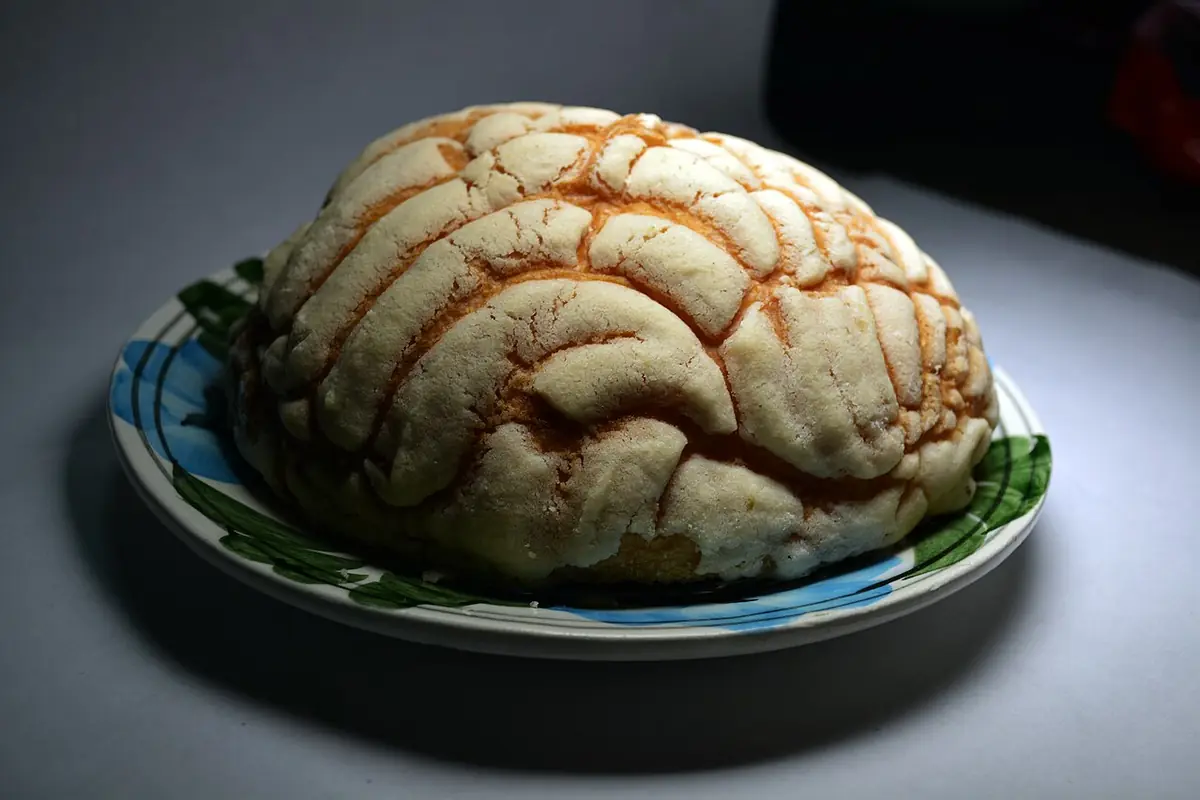
- Mexican: at a panadería, empanadas are usually sweet, filled with pumpkin, pineapple, sweet potato or cajeta and dusted with sugar. Savory fried versions show up in many regional kitchens too.
Reading the repulgue
Argentine bakeries seal each empanada with a twisted, rope-like edge called the repulgue, and many use different folds or marks to tell fillings apart: a braid for beef, a flat fork crimp for ham and cheese, a dimple or pinched top for chicken. The code is not national; each shop has its own. If you are buying a mixed dozen, ask the counter to explain theirs, or note which is which before the box closes.
Baked versus fried, and how to tell fresh
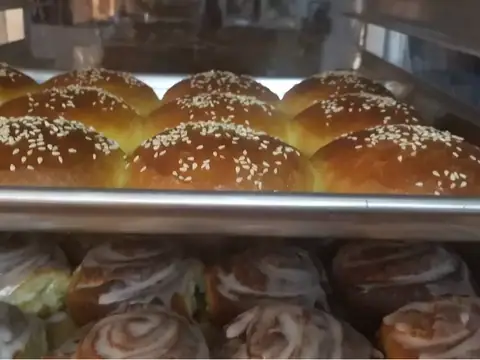
Baked empanadas should have a glossy, egg-washed top and a crisp, slightly blistered crust that does not turn leathery once it cools. Fried ones should crackle, not drip. Corn-dough empanadas lose their crunch quickly, so eat them hot. The filling should be moist and juicy, never dry; in a good Argentine beef empanada, a little juice runs out at the first bite, which is why locals eat them leaning forward.
Size varies a lot by shop, from cocktail-size bites meant for parties to Chilean empanadas big enough for lunch on their own, so compare prices by size as well as by count.
Ordering by the dozen
Single empanadas usually cost $3 to $6, and dozens $30 to $60 depending on size and filling. Party orders often need a day or two of notice. Many shops sell frozen, unbaked dozens for home: bake from frozen at about 400°F until deep golden, usually 20 to 30 minutes. Leftover baked empanadas reheat best in the oven or an air fryer, not the microwave.