Hundreds of names, a handful of doughs
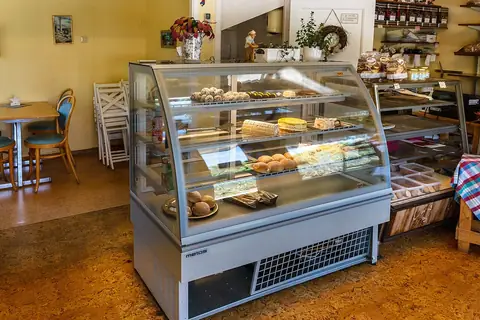
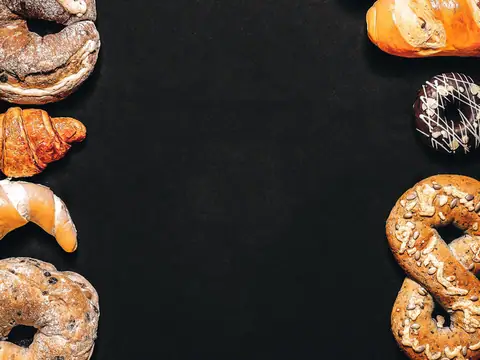
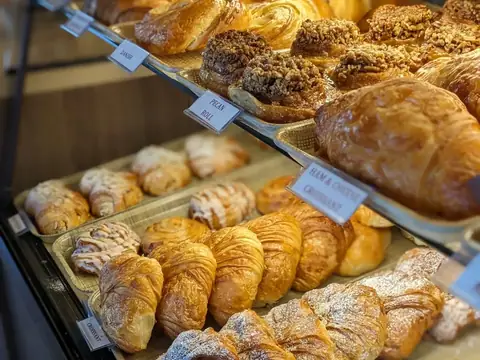
Wheat came to Mexico with the Spanish, and European bakers, including French ones who arrived in the 19th century, left a strong mark on its pastry. Mexican bakers took those techniques and ran with them, inventing hundreds of shapes with playful names: kisses, eyes, ears, little pigs, brides, cuffs. The names can sound endless, but most pieces fall into four dough families. Learning them makes any bakery case easy to read and tells you what texture to expect before you bite.
Soft yeast breads
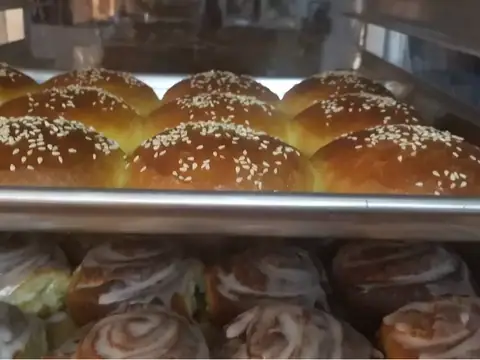
The largest group starts from an enriched yeast dough, sweetened and made tender with eggs, butter or lard, and often milk. It bakes up soft and slightly cottony, closer to brioche than to a dinner roll. The variety comes from what goes on top and how the dough is shaped:
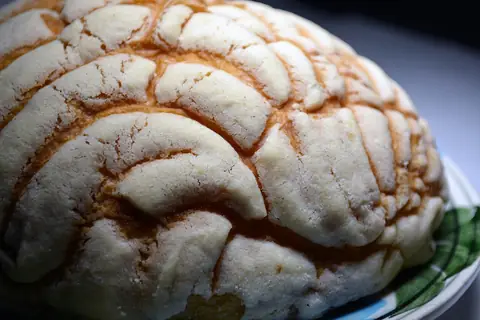
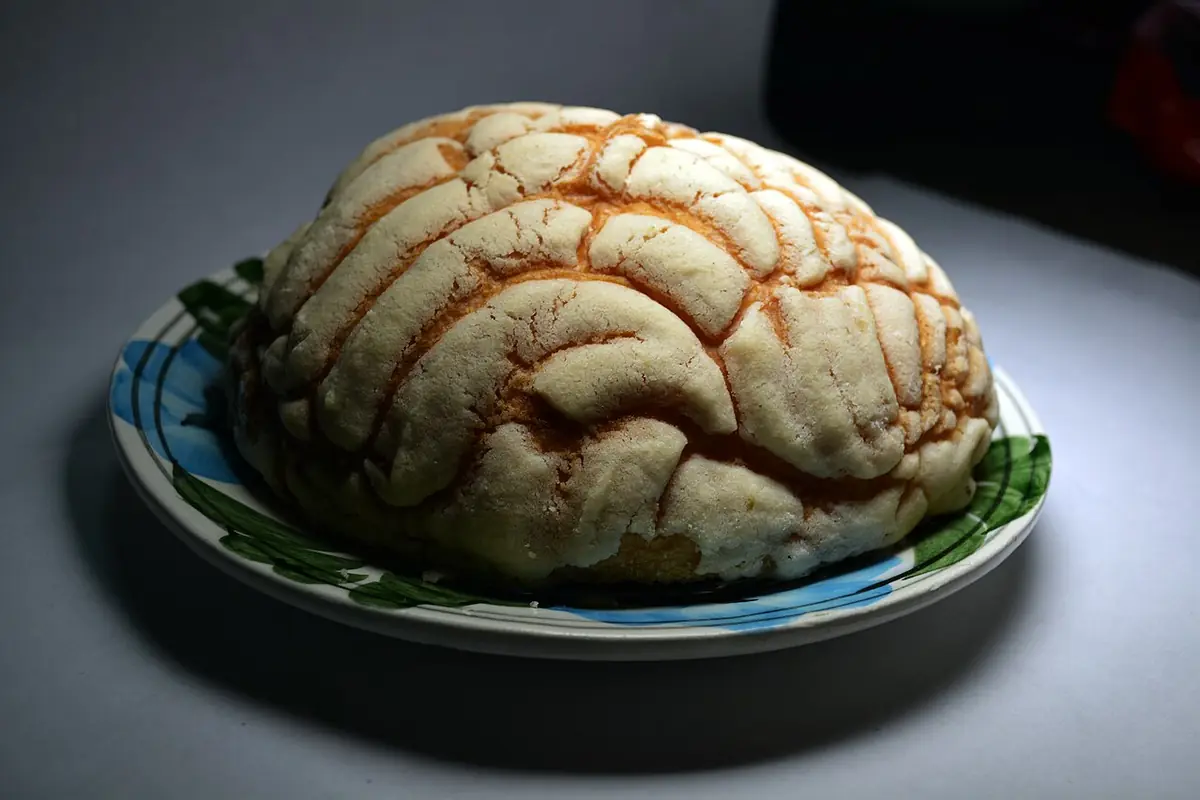
- Conchas carry a shell-patterned crust of sugar, fat and flour, plain or cocoa.
- Chilindrinas are round buns under a crumbly sugar topping.
- Besos join two domes with jam and roll the whole thing in coconut or sugar.
- Roles are spiral buns with cinnamon sugar, sometimes glazed.
- Cocoles, diamond-shaped and associated with Puebla, use piloncillo and anise seed and are only lightly sweet.
A fresh yeast piece should spring back when pressed and pull apart in soft, feathery strands.
Flaky, cakey and crumbly
Hojaldre, or puff pastry, gives the shatteringly crisp pieces. Orejas and banderillas are the familiar ones; campechanas, thin and glassy with a caramelized sugar glaze, are a favorite for people who like crunch over chew. The best are deep amber with dozens of visible layers.
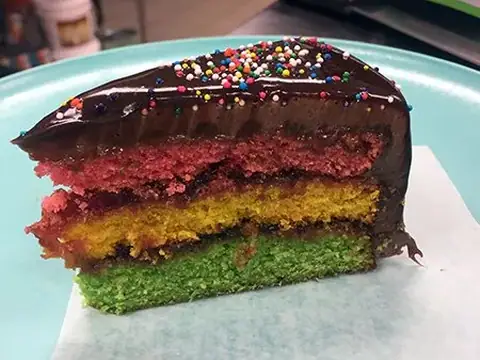
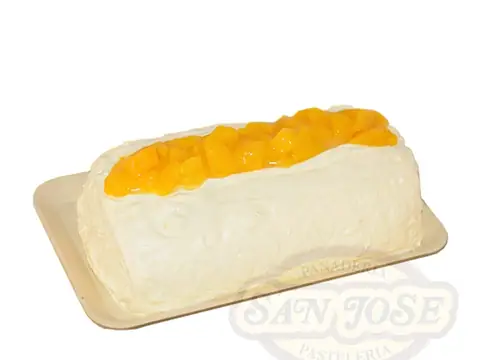
The cake-style family is baked from batter instead of dough. Mantecadas are tall, muffin-like cakes in red or orange paper cups; garibaldis are small domed cakes glazed with apricot jam and rolled in white nonpareils; panqué is a loaf cake, often with walnuts or raisins. The ojo de buey combines families, a ring of yeast or puff dough around a center of sponge cake.
Finally, the cookie doughs: polvorones, yoyos sandwiched with jam, and shortbread-style galletas, often tinted or dipped in sprinkles. These keep longest and travel best.
Freshness, dunking and buying a mixed bag
Pan dulce is priced by the piece, most commonly $1 to $3, so it is easy to try several. Look for toppings that are intact and dry rather than sticky or cracked off, and for yeast breads with glossy, even color. Day-old pan dulce is not wasted: dipped in café de olla, hot chocolate or champurrado, a slightly firm concha or cocol is arguably better than a fresh one. Puff pastry pieces go limp in a sealed container, so keep them loosely covered; soft yeast breads, on the other hand, need an airtight bag overnight. A few minutes in a 300°F oven brings back most of them.