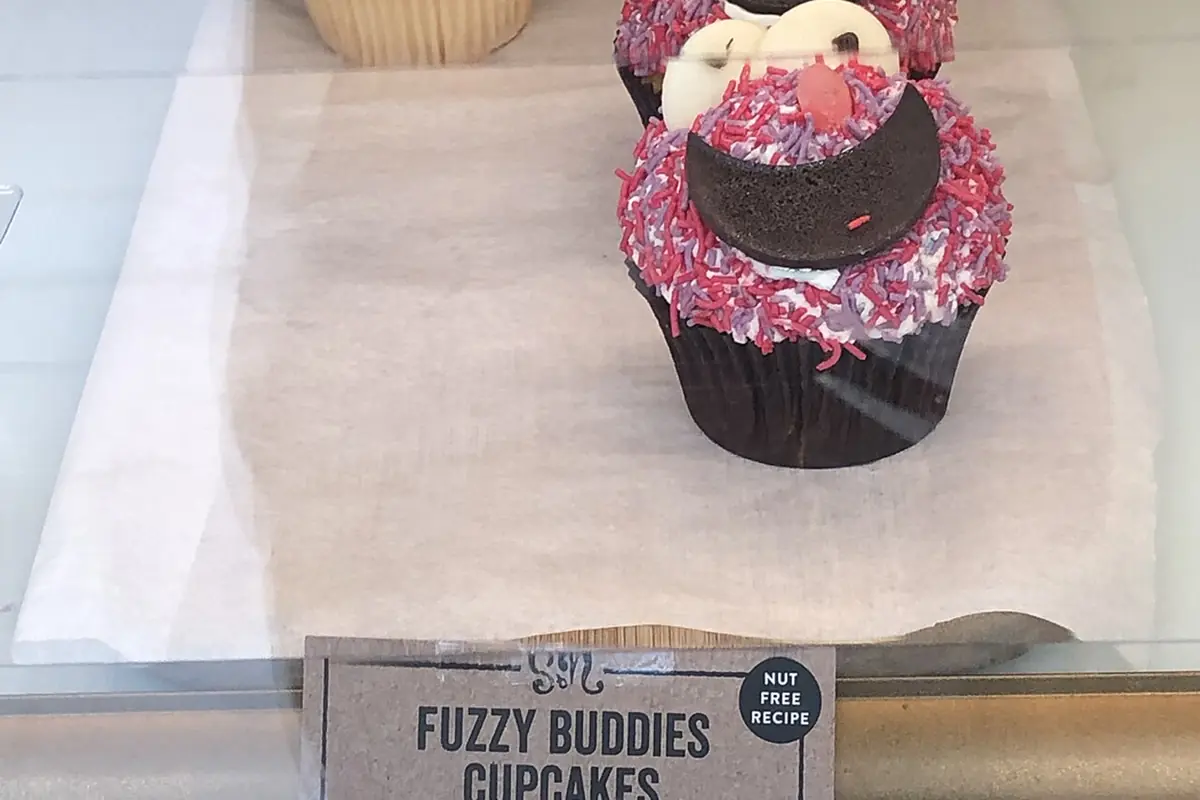
After the craze, the bakers who stayed
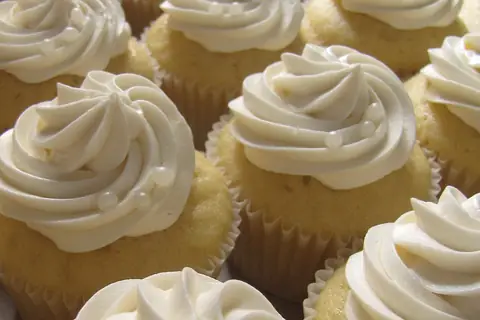
Cupcake shops multiplied across the US in the mid-2000s, when a frosted cupcake in a paper liner became a pop-culture shorthand for a sweet treat. Many of those shops closed once the novelty wore off. The ones still operating tend to be serious about baking: they make their cake from scratch, whip buttercream in small batches through the day, and treat the flavor board as a calendar, with a fixed core lineup plus specials tied to the day of the week or the season. Pumpkin and maple in fall, peppermint in December, strawberry and lemon once spring fruit arrives.
Many shops post the day’s flavors on social media each morning. If you are after something specific, such as a gluten-free or vegan option, check before you go, because those are often baked only on certain days.
How to judge a cupcake at the counter
- The dome. A gently rounded top that sits just above the liner signals a well-measured batter. Overflowing, mushroomed tops often mean overfilled pans and a coarse crumb.
- The liner. Paper that has pulled away from the cake or turned greasy usually means the cupcake has been sitting a while.
- The frosting ratio. A tall swirl looks good in photos, but a layer roughly as deep as the cake itself is easier to eat.
- The frosting style. American buttercream is sweet and dense; Swiss meringue buttercream is lighter and less sugary; cream cheese frosting is tangy. Ask which the shop uses if you prefer one.
- The center. Filled cupcakes, with a pocket of jam, curd, ganache or custard, are a good sign of extra care.
Party math: sizes, quantities and prices
Standard cupcakes usually cost about $3 to $5.50 each, with a dozen roughly $30 to $55. Minis run about $1.50 to $2.50 apiece, while jumbo cupcakes, sold by some shops, can cost $6 or more. Plan on one to one and a half standard cupcakes per guest, or two to three minis. A dozen in assorted flavors can usually be picked up the same day if you arrive early, but for three dozen or more, custom colors or toppers, call two or three days ahead, and a week ahead around graduations and holidays. Ask for boxes with inserts that hold each cupcake in place, and keep the box level in the car.
Keeping them at their best
Cupcakes are best the day they are baked. Buttercream cupcakes can sit covered at room temperature for a day; refrigerate those with cream cheese frosting, whipped cream or fillings, then let them stand out for about 30 minutes before eating so the cake softens and the frosting loses its chill.