Why it's red, and why it's velvet
In the late 19th century, American cookbooks used velvet to describe cakes with an especially fine, soft crumb, achieved with ingredients like cornstarch, cocoa or cake flour. Red velvet came out of that family. Its color has a bit of chemistry behind it: natural, non-alkalized cocoa contains pigments that turn reddish in the presence of acid, so a batter made with natural cocoa, buttermilk and a splash of vinegar bakes up a russet brown with red undertones. Dutch-processed cocoa, which is alkalized, doesn't do this.
The vivid scarlet most people picture comes from food coloring, which became standard in the mid-20th century as coloring companies promoted the cake. Some bakeries now use beet powder or beet juice for a more natural, slightly deeper red. Either way, the color is the costume; the flavor is the cocoa-buttermilk balance.
Ermine or cream cheese
Ask a Southern baker about red velvet frosting and you may get a long answer. The older choice is ermine frosting, also called boiled-milk or flour frosting: milk and flour cooked into a thick paste, cooled, then whipped with butter and sugar until it's as light as whipped cream and much less sweet than American buttercream. Cream cheese frosting became the default later and is what most bakeries use today; its tang plays well against the buttermilk in the cake. A few bakeries also use a white chocolate or mascarpone frosting. If a shop offers ermine, it's worth trying at least once.
Telling a good one from dyed vanilla
- Taste: a mild but real cocoa note and a light tang. If it tastes like plain vanilla cake, the cocoa was skipped.
- Crumb: tight, moist and soft, almost plush. Dry or coarse cake fails the velvet test.
- Color: deep red without a bitter aftertaste; very heavy coloring can leave one.
- Frosting: tangy and spreadable, not sugary paste. White frosting against red layers should look clean when cut, without pink smears.
Holidays, weddings and how to buy it
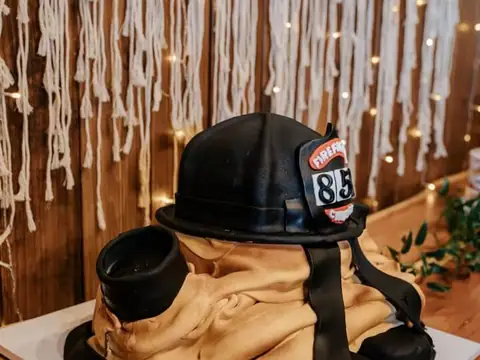
Red velvet is everywhere in February for Valentine's Day, and it has long been a staple of Southern celebrations, Juneteenth gatherings and Christmas tables. It's also a classic groom's cake; the 1989 film Steel Magnolias famously featured a red velvet one shaped like an armadillo. Slices run roughly $5 to $8 at bakeries, cupcakes $3.50 to $5, and an 8-inch layer cake about $40 to $75. Because of the cream cheese or ermine frosting, keep it refrigerated and let it sit out 20 to 30 minutes before serving. It keeps four to five days chilled.