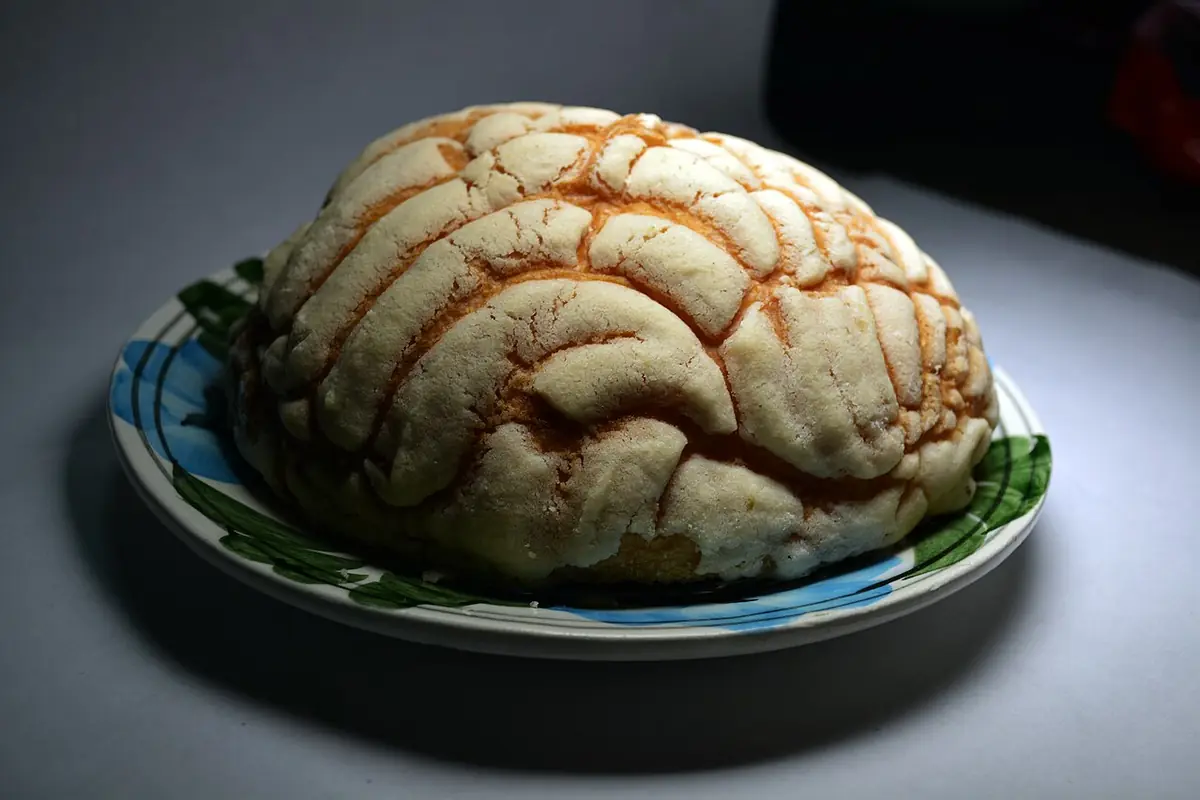
Anatomy of a good concha
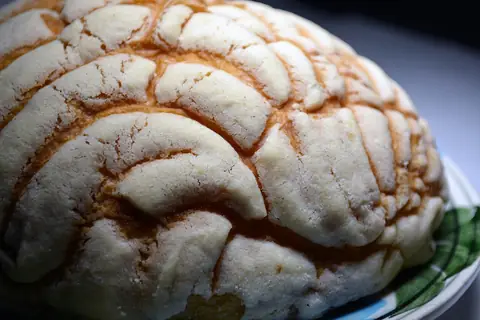
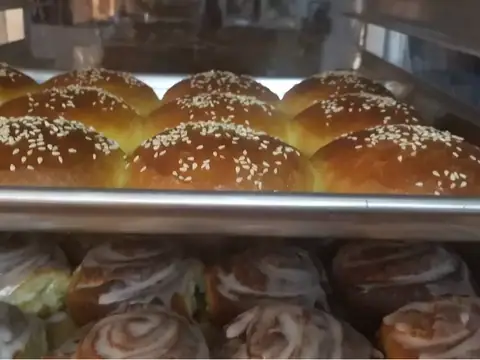
A concha has two parts that are made separately. The bun is an enriched yeast dough with eggs, milk, butter or shortening and sugar, similar in spirit to brioche but usually lighter. The topping is a paste of flour, sugar and fat, pressed into a disk, laid over the shaped dough and scored with a blade or a concha cutter before the final rise. As the bun rises and bakes, the scored topping cracks into the familiar shell pattern.
When you look in the case, check three things:
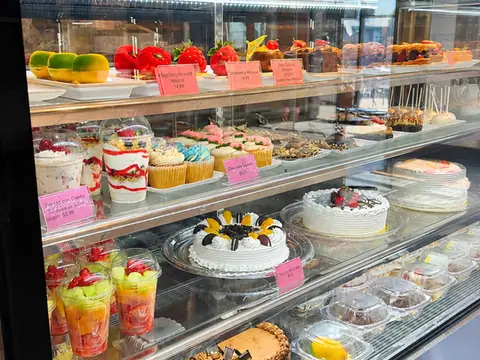
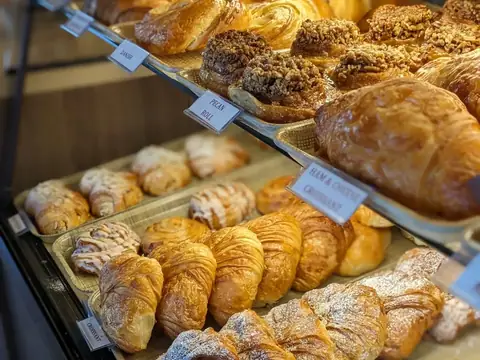
- The topping should be crisp and slightly crumbly, not greasy or sliding off. Deep, clean cracks are a good sign.
- The crumb should spring back when gently pressed with tongs. A dense or dry bun means it is from yesterday or was underproofed.
- The base should be light golden, not dark or scorched.
Flavors, colors and the names behind them
Vanilla (white) and chocolate (brown) toppings are the two constants. Pink conchas are usually strawberry-flavored or simply colored, and some bakeries make yellow ones with a hint of lemon or cinnamon. Newer shops in Los Angeles, Chicago, Houston and elsewhere sell filled conchas with cream, Nutella, cajeta or a sliced concha sandwich with whipped cream and strawberries, and matcha or ube toppings that show how the format has traveled.
Related shapes share the same dough and topping idea. The chilindrina is rougher and studded with sugar, and the mantecada is a different item altogether, a cupcake-like muffin in red paper. If you are hunting for the original, ask for a concha de vainilla.
Morning bread and the price per piece
Most panaderías bake conchas first thing, so the best selection is from opening until mid-morning. Larger shops may pull another batch in the afternoon. A single concha usually costs about $1 to $3, and specialty or filled versions $3.50 to $6. You pay by the piece, which makes it easy to try both colors.
The classic pairing is hot chocolate or café de olla, a coffee brewed with cinnamon and piloncillo. Many families dunk; the sugar topping softens and the bun soaks up the drink.
Keeping and reviving them
Conchas are at their best on the day they are baked. Keep them in a paper bag the first day so the topping stays crisp, then move them to a sealed plastic bag. To revive a day-old concha, warm it for 10 to 15 seconds in the microwave or a few minutes in a low oven. They freeze well for a month if wrapped individually. Some cooks split stale conchas and toast them in a buttered pan, or cube them for a pan dulce bread pudding, which is a good use for the last two in the bag.