Same layers, different accents
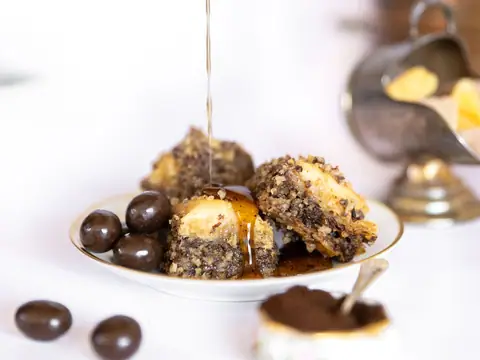
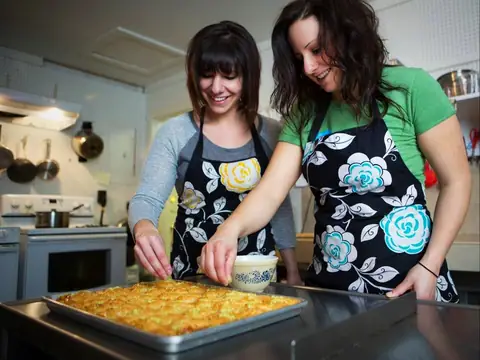
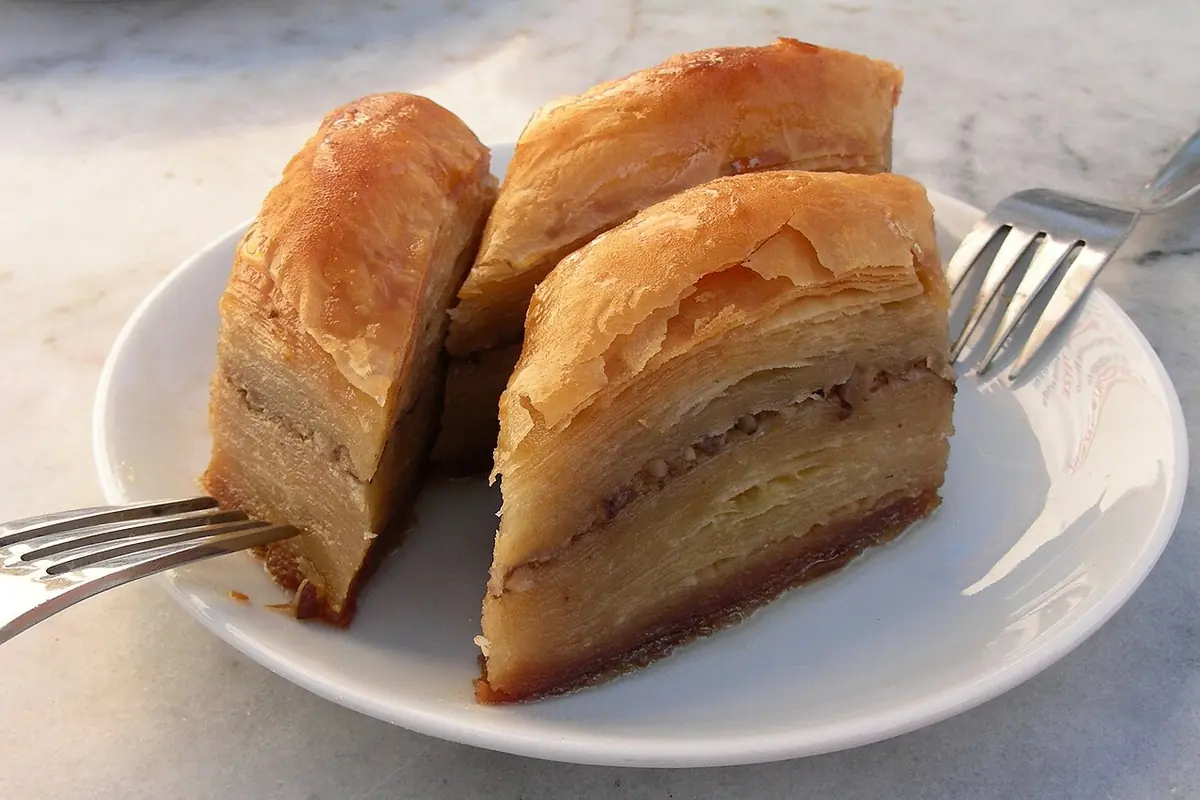
The basic method is shared: dozens of paper-thin sheets of phyllo brushed with butter, layered with chopped nuts, cut into pieces before baking, then soaked in syrup. The regional styles differ in nuts, syrup and shape.
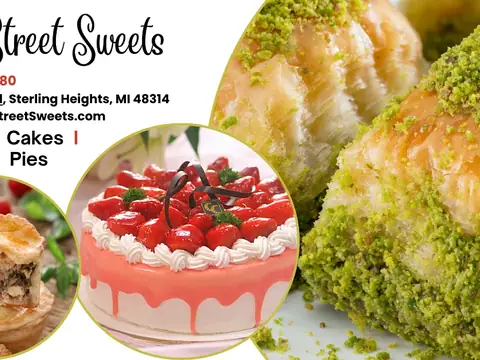
- Turkish: pistachios, ideally bright green, with very thin phyllo and a simple sugar syrup with lemon. The city of Gaziantep is famous for it. Expect neat squares or rolls and a delicate, almost light bite.
- Greek: walnuts, sometimes mixed with almonds, spiced with cinnamon and often cloves, and finished with a honey-based syrup. Usually larger diamonds and a richer, stickier result.
- Lebanese and Syrian: syrup perfumed with orange blossom or rose water, and an extensive family of shapes, from fingers and rolls to bird's nests cradling whole pistachios, often in mixed assortments.
- Persian: denser, with almonds or pistachios, cardamom and rose water, cut into small diamonds.
- Armenian and Balkan bakers have their own versions too, often with walnuts and cinnamon.
What great baklava sounds like
Press a knife into a good piece and it crackles. The top layers should be crisp and flaky, the nut layer moist, and the bottom saturated but not soggy. Syrup should be absorbed into the pastry rather than pooling in the tray. Bakers manage that balance with temperature, pouring cool syrup over hot pastry or the reverse, so it soaks in without steaming the layers.
Clarified butter or ghee gives the cleanest, nuttiest flavor; margarine or oil-based versions taste flat and greasy. Nuts should taste fresh, with no bitterness. With pistachio baklava, color is a quick clue: bright green usually means higher-quality, often earlier-harvest nuts, while dull brownish filling suggests cheaper ones. Very sweet, cloying baklava is usually a sign that sugar is covering for weak butter or nuts.
Buying by the pound, and when
Baklava is usually sold by weight. Walnut baklava often runs about $15 to $25 per pound, and pistachio $25 to $40 or more, reflecting the price of the nuts. Single pieces typically cost $2 to $5. Many Middle Eastern and Mediterranean bakeries sell mixed assortment trays, which are popular as gifts and for hosting.
Demand spikes around Ramadan and the two Eids, Christmas, Greek and Orthodox Easter, and Nowruz, the Persian new year in March. Order trays several days ahead during those weeks. Store baklava at room temperature, loosely covered so it does not sweat, for one to two weeks. Avoid the refrigerator, which hardens the syrup and softens the phyllo. It does freeze well, tightly wrapped, for several months.
When serving, set pieces in small paper cups so the syrup stays off guests' fingers, and pair them with strong unsweetened coffee or tea, which balances the sweetness the way it is traditionally enjoyed.