Why the kettle matters
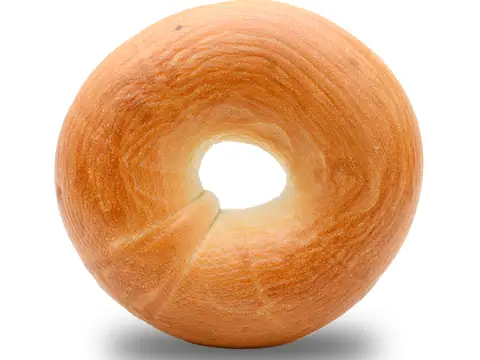
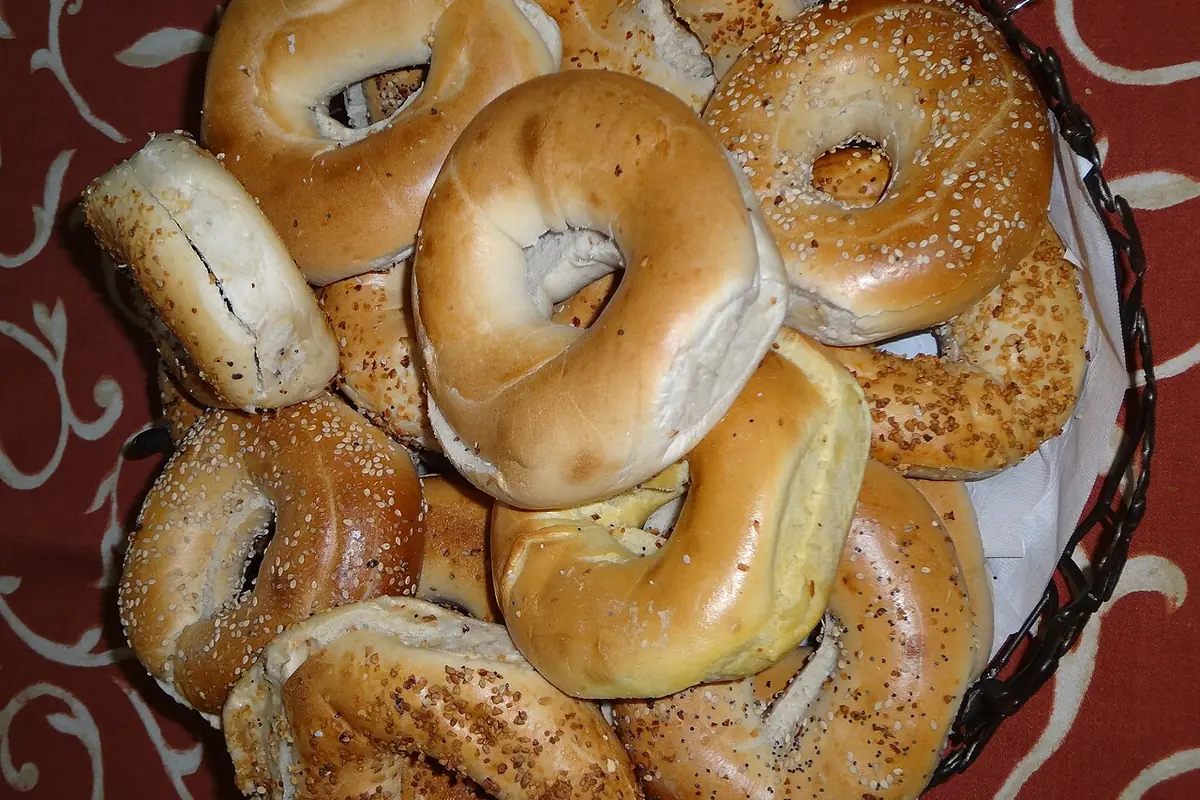
Bagel dough is stiff and low in water, made with high-gluten flour, salt, yeast and usually barley malt. The rings are shaped, often by hand, then rested in the refrigerator overnight, which develops flavor. Before baking, they are dropped into a kettle of simmering water, often with malt or baking soda added. That bath sets the outside, gelatinizes the starch on the surface and limits how much the bagel can puff in the oven. The result is the glossy, chewy crust that separates a bagel from a round roll with a hole.
Many mass-produced bagels are steamed instead of boiled. They are softer and puffier, and some people prefer them, but a bagel bakery worth the trip will boil.
New York or Montreal?
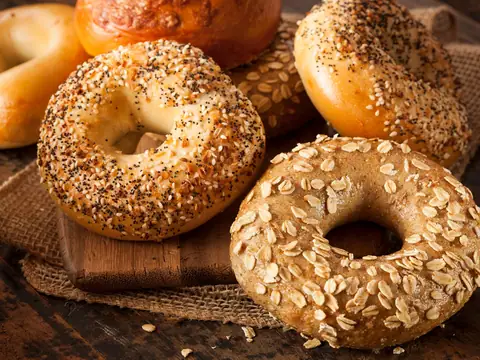
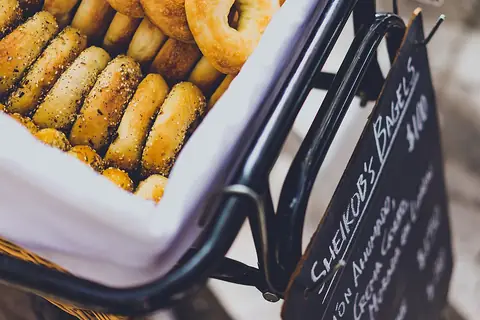
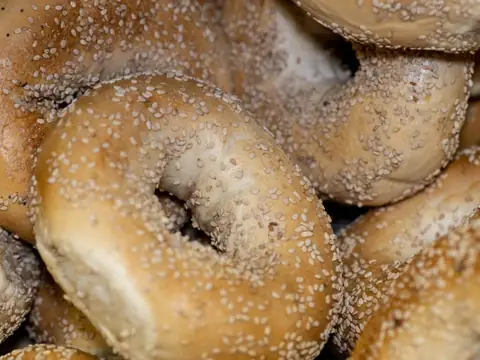
Eastern European Jewish bakers brought the bagel to New York in the late nineteenth century, and the New York style is now the national default: larger, saltier, chewy, with a modest hole. Montreal-style bagels are smaller and thinner, with a bigger hole. The dough includes egg and sometimes honey, they are boiled in honey-sweetened water, and they are baked in a wood-fired oven, which gives a darker, sweeter, slightly smoky crust. They are usually coated in sesame or poppy seeds and are at their best eaten plain or with a little butter.
Size has crept up over the decades in the US. A bakery bagel today is often 4 to 5 ounces, roughly twice what older recipes called for.
Ordering at the counter
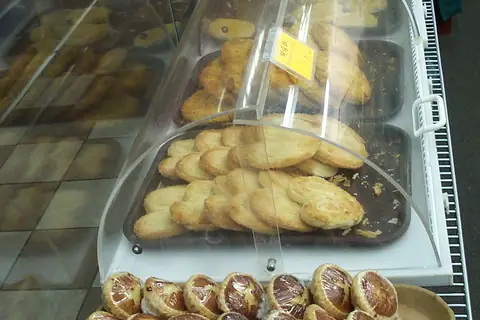
Bagel shops move fast in the morning, so it helps to know the vocabulary. A schmear is a spread of cream cheese, plain or flavored with scallion, vegetables or lox. Lox technically means salt-cured salmon, while Nova is cold-smoked and milder, though many menus use the words loosely. A classic order is an everything bagel with scallion cream cheese, or Nova, capers, tomato and red onion on plain or sesame. A bialy, often sold alongside, is a flat roll with an onion-filled dimple that is baked, not boiled.
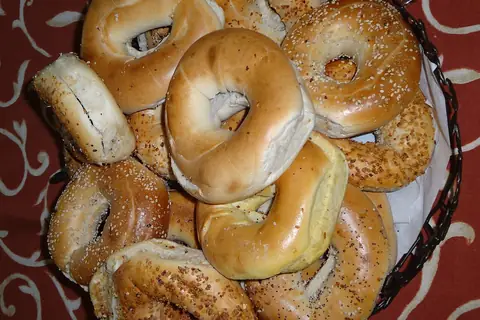
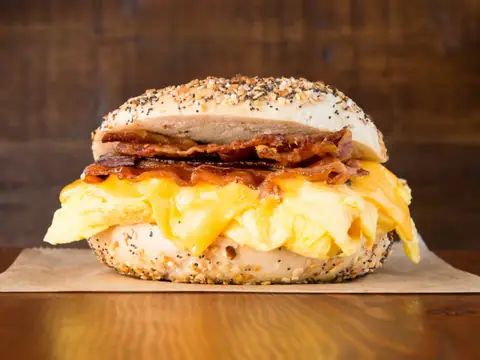
Purists argue a fresh bagel should not be toasted, and many shops will warn you when a batch is still warm. A single bagel usually runs $1.50 to $3, a sandwich $8 to $17, and a dozen $14 to $28; some shops still give a baker's dozen of thirteen.
Keeping a dozen fresh
Bagels stale within a day. Keep what you will eat tomorrow in a paper bag, then slice the rest, bag them tightly and freeze. Toast straight from frozen. Avoid the fridge, which dries them out fastest. A frozen bagel keeps well for about a month. If a whole bagel has gone a little hard, run it briefly under the tap and warm it in a 375°F oven for 4 to 5 minutes; the crust will crisp up again.