What makes a loaf sourdough
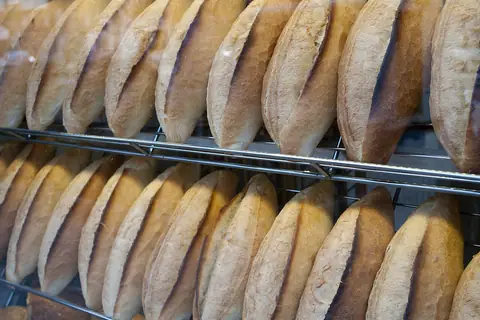
A sourdough starter is a mix of flour and water colonized by wild yeasts and lactic acid bacteria. The yeasts make the dough rise; the bacteria produce lactic and acetic acids that give the bread its tang, its longer shelf life and its chewy, glossy crumb. Bakers feed the starter daily, mix a portion into the dough, and let the loaf ferment slowly, often overnight in the refrigerator, before baking it hot, frequently in a steam-injected deck oven or a covered pot.
There is no federal legal definition of sourdough in the US, so the word gets stretched. Some supermarket loaves rely on commercial yeast and add vinegar, dried sourdough powder or flavorings to mimic the sour taste. Read the ingredient list: a true naturally leavened loaf usually has just flour, water, salt and starter (sometimes listed as levain or culture). If yeast is on the list, it's a hybrid at best.
Judging crust and crumb
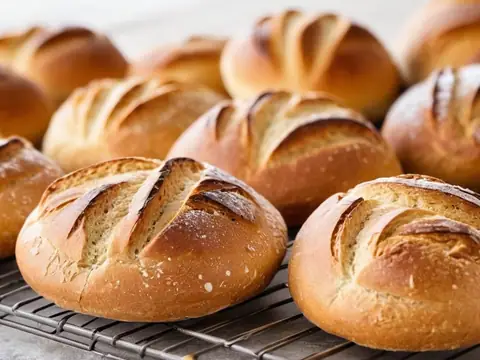
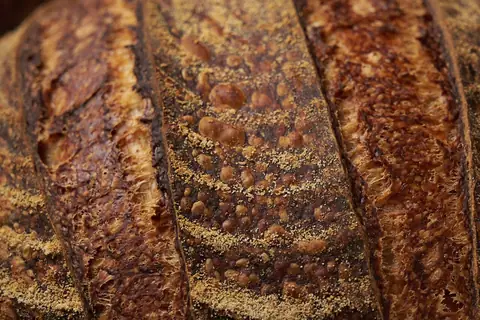
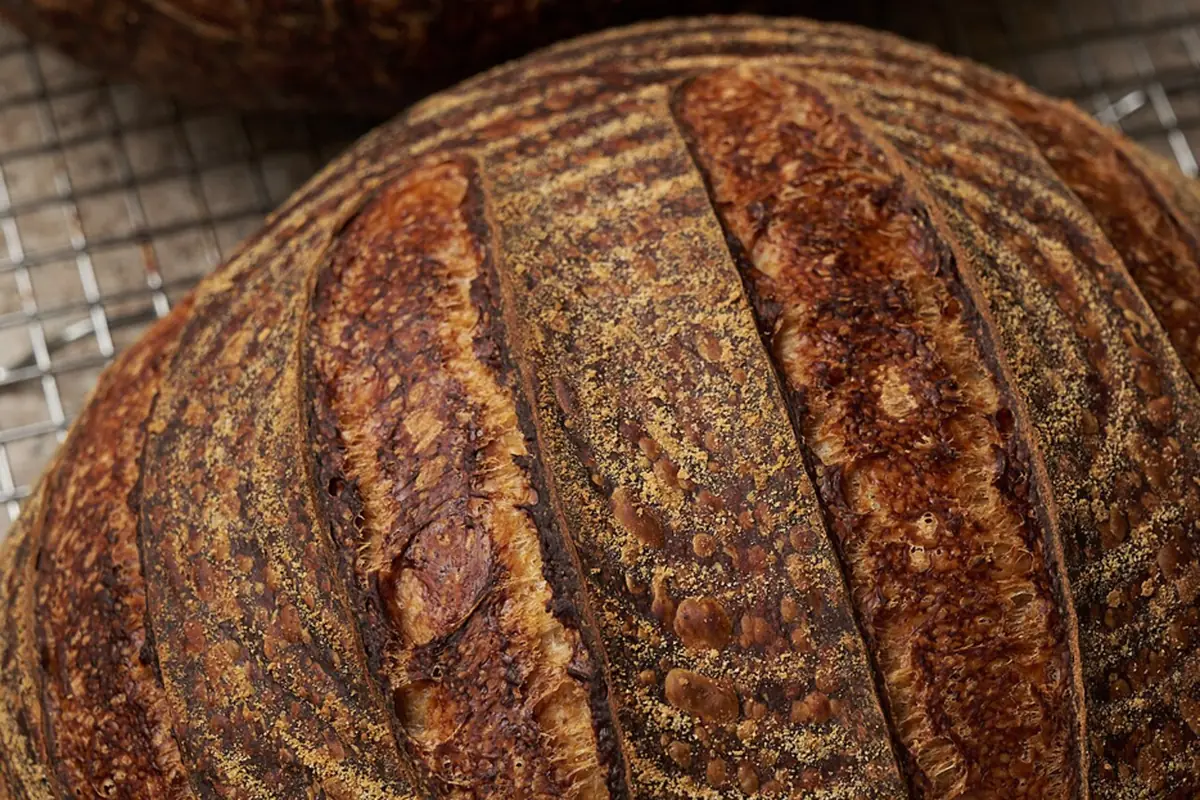
- Crust: deeply browned, even dark at the edges of the scoring, and crackly. Pale crusts lack flavor, since much of a loaf's taste develops in the Maillard browning.
- Ear: the raised flap along the score shows strong dough and good oven spring.
- Crumb: irregular holes with a shiny, slightly translucent sheen. Very open crumb is fashionable, but a tighter crumb is better for sandwiches and toast that won't leak butter.
- Sourness: ranges from mild to sharp depending on the starter, flour and fermentation temperature. Longer, colder fermentation tends to taste more sour.
From Gold Rush camps to neighborhood bakeries
Sourdough was the default way to raise bread for most of human history, but in the US it is tied to the West. Prospectors in the California Gold Rush and later in the Klondike carried starters with them, and old-timers in Alaska and the Yukon were nicknamed sourdoughs. San Francisco became famous for its tangy loaves, and one of the bacteria common in its starters was named Lactobacillus sanfranciscensis, though the same species turns up in starters around the world. The recent revival has spread artisan sourdough to small towns everywhere, often baked with regional or freshly milled grains.
Price, buying and storage
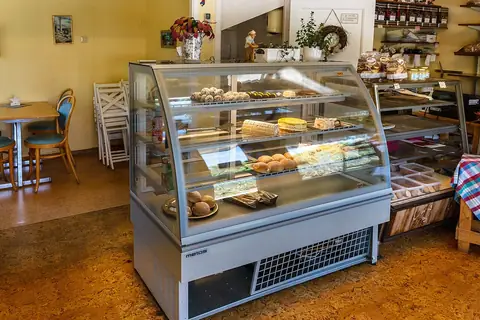
A naturally leavened loaf from an independent bakery typically costs $7 to $12, more for loaves with whole grains, seeds, olives or cheese. Many bakeries bake a limited number per day and sell out by early afternoon, and some take preorders. Ask what time the bread comes out of the oven.
Store sourdough cut side down on a board or in a paper or cloth bag for two to three days; plastic softens the crust. To keep it longer, slice and freeze it, then toast slices straight from the freezer. Revive a whole day-old loaf by running it briefly under the tap and baking it at 375°F for about ten minutes.