Two scones, two jobs
The British scone is a quick bread made with flour, a little butter and sugar, baking powder and milk or cream, often with an egg. It is lightly sweet, rises tall with straight sides and splits horizontally along a natural seam. It is not meant to stand alone; it carries jam and clotted cream at afternoon tea. Raisins or currants are the usual additions.
The American scone is richer and sweeter, closer in spirit to a buttery biscuit or shortcake. It is usually cut into large wedges, baked with blueberries, cranberries and orange, chocolate chips or cinnamon, and finished with a glaze or coarse sugar. It is designed to be eaten on its own with coffee.
Neither is wrong, but if you want a cream tea, look for bakeries or tea rooms that bake British-style.
Judging the crumb
- Height: a well-made British scone rises straight up, which comes from cold butter, gentle handling and a straight cutter pressed without twisting.
- Inside: it should be soft and fluffy, breaking into flakes rather than crumbs. A dry, sandy inside means too much flour or too long in the oven.
- Outside: golden top from an egg or milk wash, pale sides.
- American wedges: look for a crisp, sugared edge and visible pieces of butter-rich dough around the fruit, not a cakey, muffin-like texture.
Scones stale fast, so the best ones are baked that morning. Many bakeries sell day-old scones at a discount; they are fine warmed but lose their tenderness.
Cream tea, done properly
A cream tea means scones, jam and clotted cream with a pot of tea. Clotted cream is cream heated slowly and cooled until a thick, buttery crust forms; it is hard to find fresh in the US, but jarred imports and some local dairies sell it. The order of toppings is a friendly feud: in Devon, cream goes first and jam on top; in Cornwall, jam first, then cream. Split the scone by hand, not with a knife, and top each half as you go.
Prices vary by style. Bakery and café scones usually run $3 to $5.50, and a tea room cream tea for one is often $12 to $25 including tea.
Where to find each style
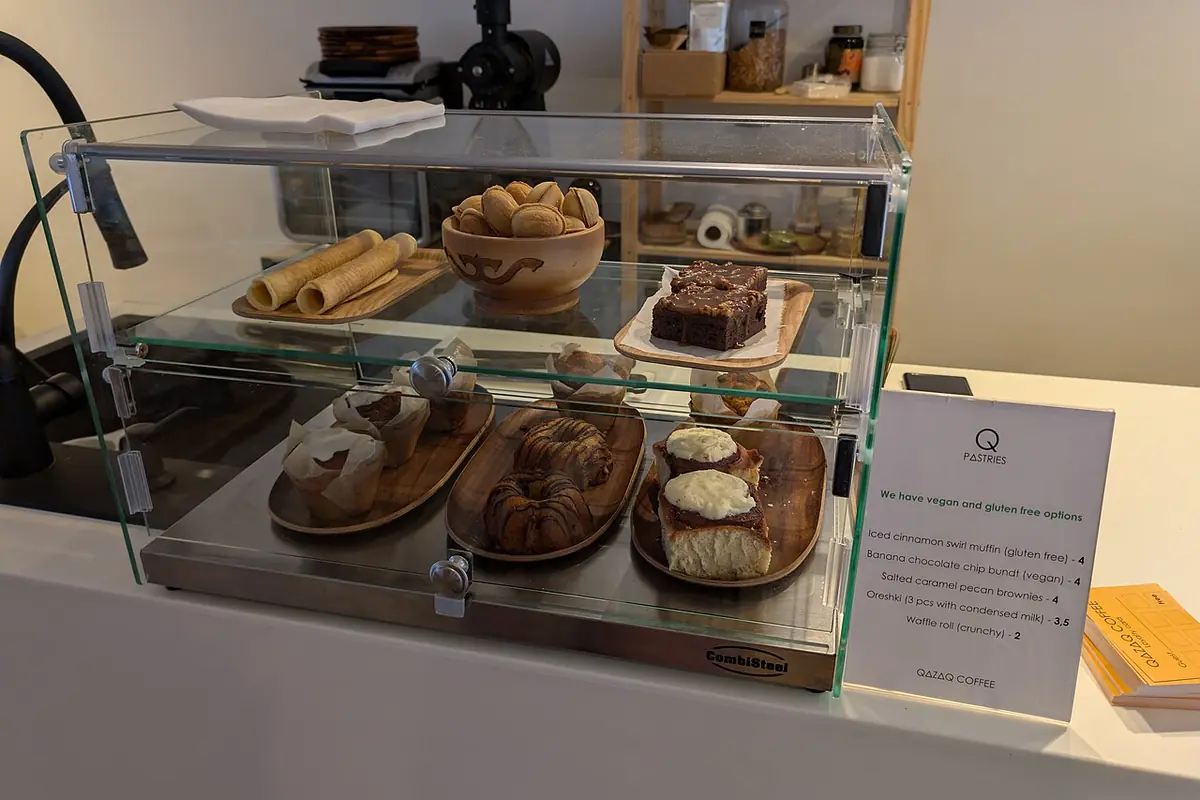
Coffee shops and bakery-cafés almost always sell the American wedge, often displayed next to muffins and coffee cake. For British-style scones, look at tea rooms, British import shops, and bakeries that offer an afternoon tea service, where scones are usually baked to order or in small batches. Some farm stands and orchards make seasonal versions with local berries in early summer or pumpkin and spice in fall. If a café bakes its scones on site rather than buying them frozen, staff will usually say so; it is worth asking, since freshly baked dough is the whole point.