One pastry, three names
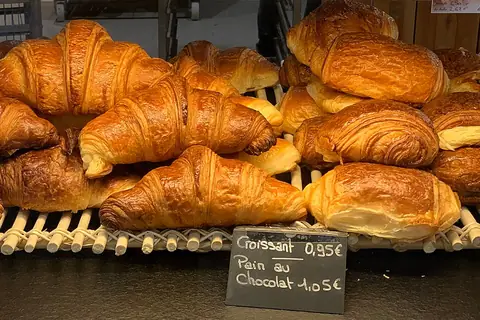
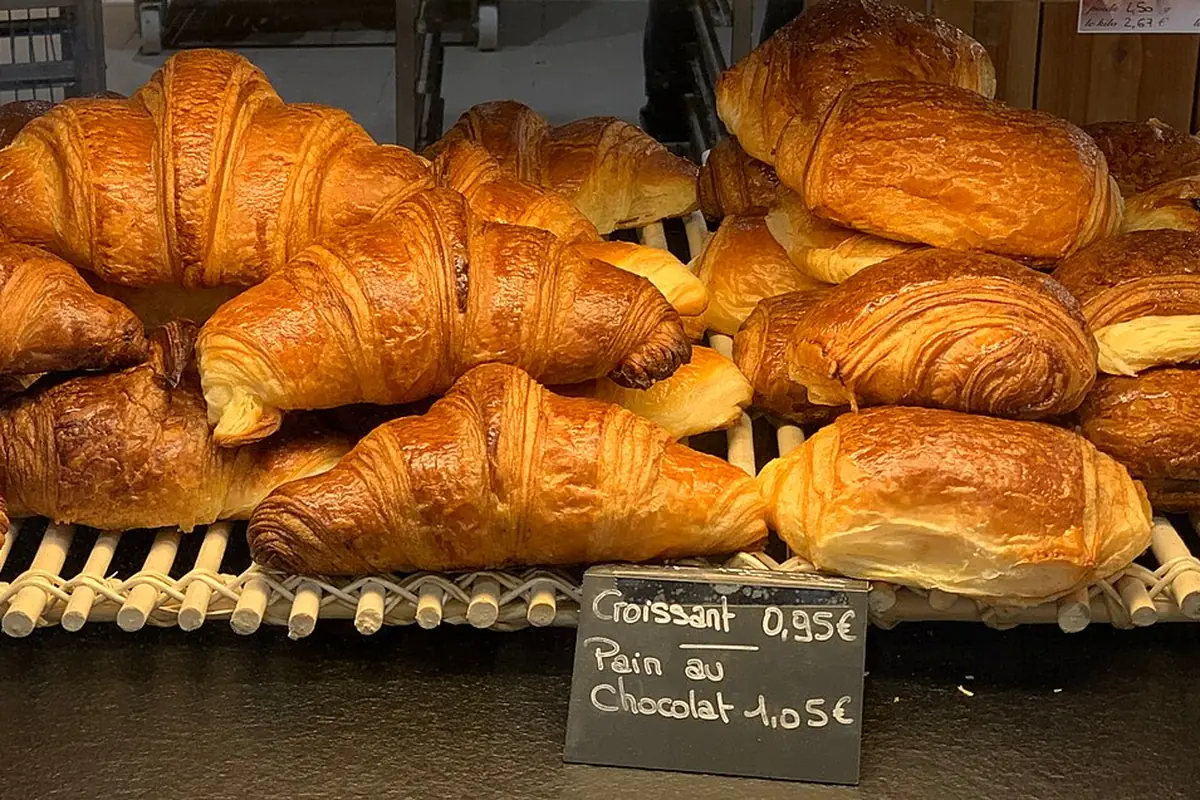
The pastry is made from the same yeasted, laminated dough as a croissant, but instead of being rolled into a crescent it's folded around chocolate into a rectangular packet. That's why French bakers do not call it a croissant at all. In most of France it is pain au chocolat; across the southwest and in Quebec it's chocolatine, and which word is correct has been a cheerful national argument for decades. American bakeries mostly settle it by putting both names on the label or calling it a chocolate croissant.
Why two sticks of chocolate
A traditional pain au chocolat has two slim batons of dark chocolate, one rolled in near each end of the dough, so every bite gets a bit. These bâtons boulangers are made to keep their shape in the oven instead of melting into a puddle. Some bakeries use a single wider bar or chopped chocolate, and a few go further with three batons or a filling of chocolate cream, but if you break one open and find chocolate at only one end, the shaping was rushed.
Look for chocolate with real cocoa flavor, somewhere around semisweet to bittersweet. Milk chocolate versions exist and appeal to kids, but the contrast between dark chocolate and buttery dough is the point.
Reading the pastry case
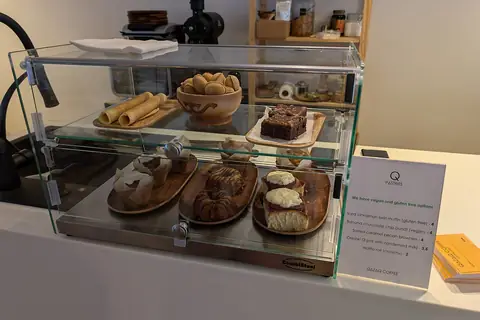
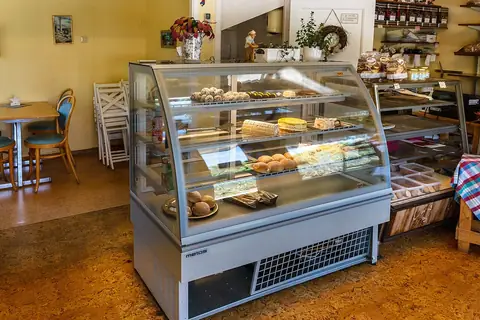
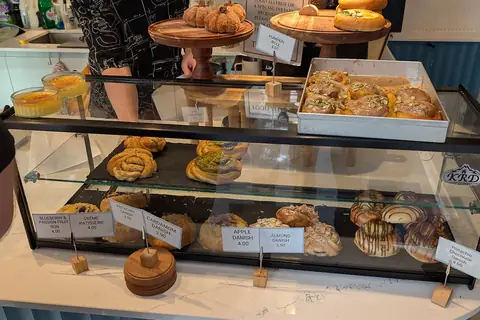
- Color: a deep, even mahogany on top, not pale beige. Underbaked laminated dough tastes doughy and greasy.
- Layers: visible stripes on the cut ends, like the pages of a closed book.
- Weight: it should feel light for its size. A heavy one usually has a dense, bready interior.
- Shatter: a good one sheds flakes on the counter when you bite in. Messy is a good sign.
All-butter dough smells and tastes noticeably richer than versions made with margarine or shortening; it's worth asking which a bakery uses. At independent bakeries, expect to pay roughly $3.50 to $6 each, with larger or filled versions costing more.
Timing and reheating
Laminated pastries peak within a few hours of baking, so the morning batch is the one to chase; many bakeries sell out of chocolate croissants first, and weekend lines start early. If you buy extras, keep them in a paper bag at room temperature, never the refrigerator, which turns them leathery. The next day, five minutes in a 350°F oven brings back the crisp shell and softens the chocolate. For longer storage, freeze them in a sealed bag and reheat from frozen for about 8 to 10 minutes.
Many bakeries also sell twice-baked chocolate-almond versions made from the previous day's batch, filled with almond cream and topped with sliced almonds.