What they have in common
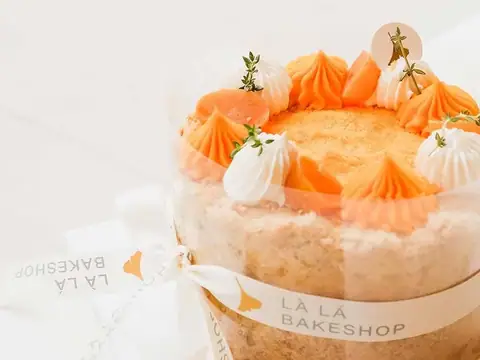
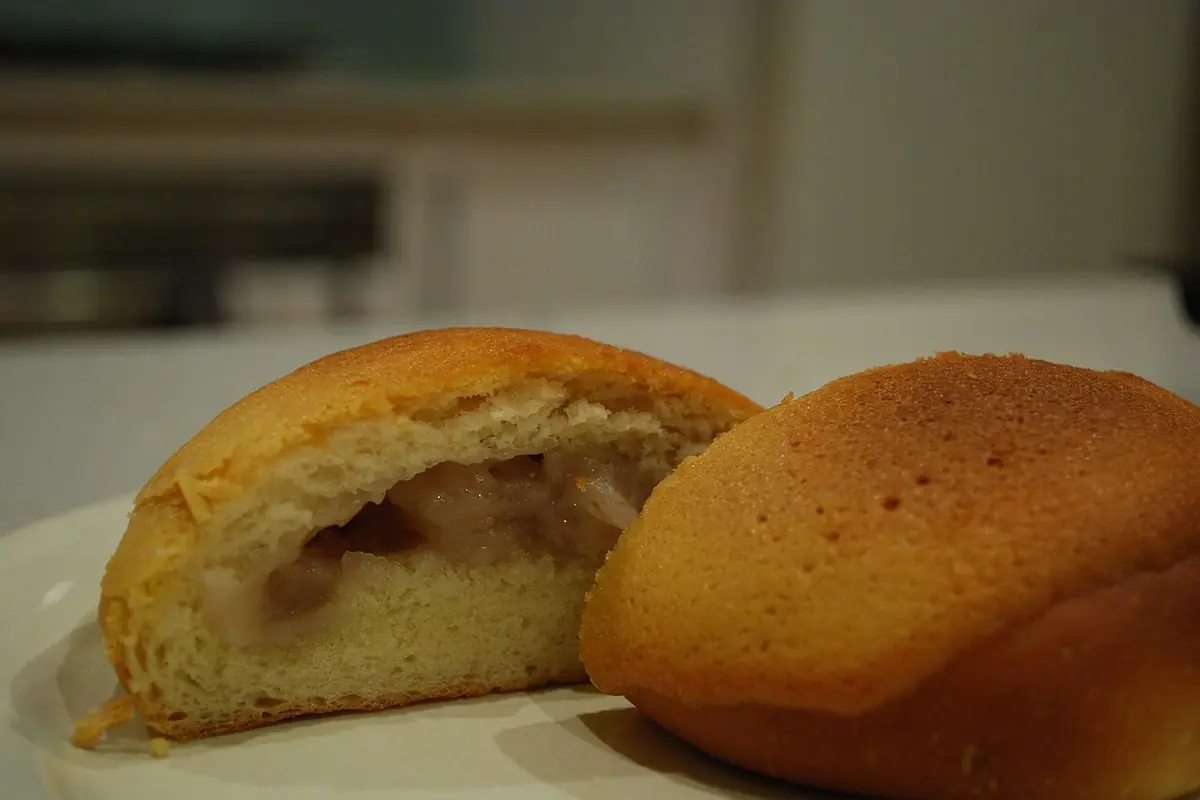
Despite very different origins, most Asian bakeries in the US share a few habits. The bread is soft and enriched, often made with milk and a scalded-flour starter (tangzhong or yudane) that keeps it tender for days. Cakes are usually chiffon or sponge layers frosted with whipped cream rather than buttercream, and decorated with fresh fruit. Sweetness is dialed down compared with American bakeries. And the shopping style is usually self-serve: take a tray and tongs, choose from wrapped buns on open shelves, and pay at the counter.
A flavor glossary
- Taro: a starchy root with a nutty, mild flavor, often tinted lavender in buns and cakes.
- Ube: Filipino purple yam, sweeter and more vanilla-like than taro, with a deep violet color.
- Pandan: a fragrant leaf used across Southeast Asia, with a grassy, vanilla-coconut aroma and a green color.
- Matcha: powdered Japanese green tea, slightly bitter and vegetal.
- Hojicha: roasted green tea with a toasty, low-caffeine flavor.
- Red bean: adzuki beans cooked with sugar into a smooth or chunky paste.
- Black sesame: ground toasted seeds with a deep, nutty taste.
- Kaya: coconut and egg jam from Malaysia and Singapore, often flavored with pandan.
- Pork floss: dried, shredded pork with a fluffy texture, used on savory buns.
Telling the styles apart
Chinese bakeries, especially Hong Kong style, are known for pineapple buns, egg tarts and char siu bao. Taiwanese shops add savory buns with pork floss and scallion. Japanese bakeries focus on milk bread, melon pan, curry bread and precise cakes. Korean bakeries offer cream cheese garlic bread and fruit-topped cakes, often in a café setting. Filipino bakeries are the place for pandesal, ensaymada and anything ube. Vietnamese bakeries revolve around the bánh mì roll and steamed or baked bánh. Many larger shops blend several of these traditions under one roof.
Holidays that fill the cases
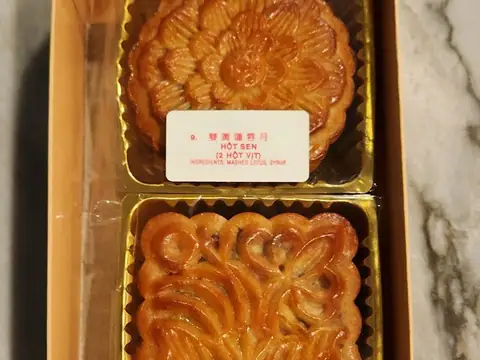
The calendar drives special items. Around Lunar New Year, look for sticky rice cakes and gift boxes. In late summer, mooncakes appear ahead of the Mid-Autumn Festival. Japanese shops take Christmas cake orders in December, and Filipino bakeries make bibingka and puto bumbong for the holiday season. Order early for all of these.