Why the bread is so soft
The defining loaf is shokupan, a tall, square milk bread with a feathery crumb you can pull apart in strips. Bakers get that texture with a yudane or tangzhong: a portion of the flour is scalded with hot water or milk before mixing, which lets the dough hold more moisture. Add milk, a little sugar and butter, and the bread stays tender for days longer than a lean loaf. Shokupan is sold whole or in halves, often in thick slices meant for toast. Many shops bake it once a day, and it can sell out by early afternoon.
Kashi pan and sozai pan
Japanese bakeries divide buns into sweet bread (kashi pan) and savory bread (sozai pan).
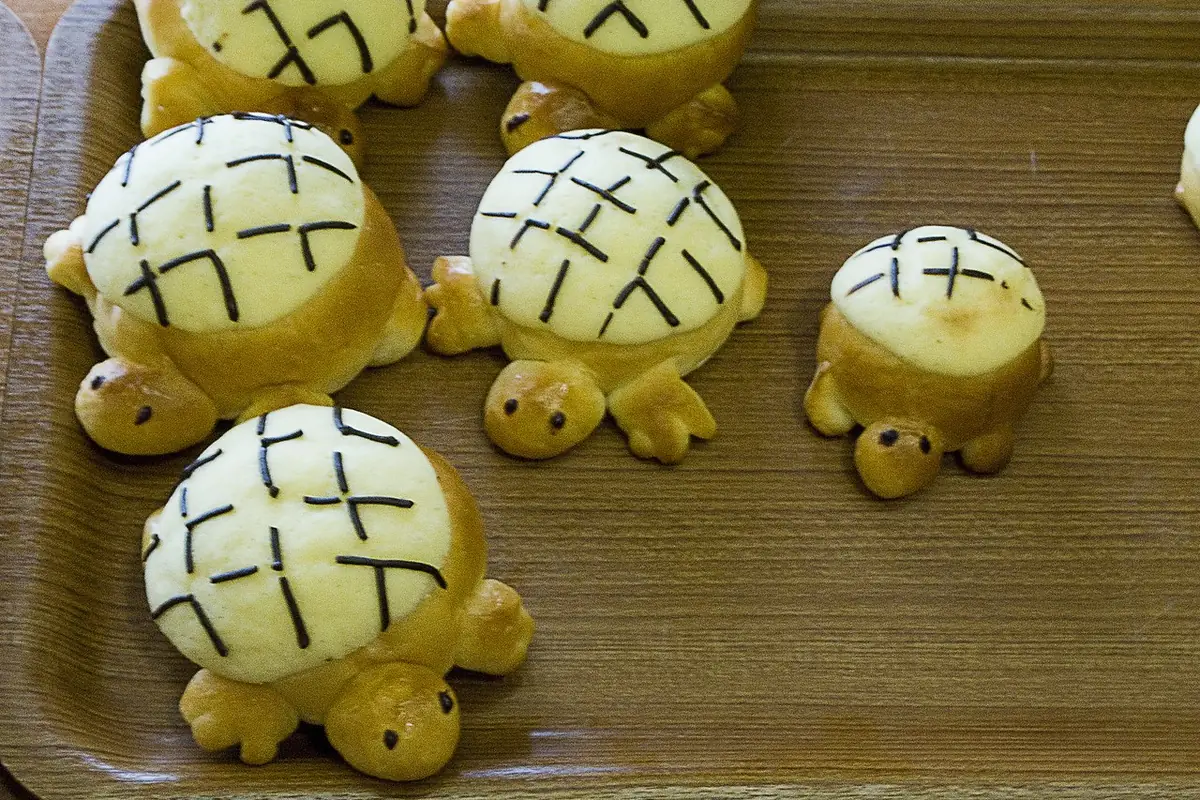
- Melon pan: a sweet bun wrapped in a thin cookie crust scored in a crosshatch. Classic versions are not melon-flavored.
- Anpan: soft bread filled with sweet red bean paste, often topped with a sesame seed or salted cherry blossom.
- Cream pan: filled with vanilla custard.
- Kare pan: curry-filled bread, breaded and fried until crisp.
- Yakisoba pan and korokke pan: rolls stuffed with fried noodles or croquettes, a lunch staple in Japan.
Many bakeries also sell sando: crustless shokupan sandwiches filled with egg salad, pork katsu, or whipped cream and fruit.
The cake case
Japanese-style strawberry shortcake is a sponge cake layered with whipped cream and fresh strawberries, nothing like the American biscuit version. In Japan it is the classic Christmas cake, and bakeries in the US often take pre-orders in December. You will also see fluffy soufflé cheesecake, roll cakes, castella, and Mont Blanc, a chestnut cream dessert piped over meringue or sponge.
Flavors that change with the seasons
Seasonality matters. Spring brings sakura (cherry blossom) breads and pink-tinted cakes, summer leans on yuzu and fresh fruit, and fall means chestnut, sweet potato and kabocha squash. Matcha, hojicha (roasted green tea), kinako (roasted soybean flour) and black sesame show up year-round. If a seasonal item looks good, buy it, because it may not return until next year.
Bakery or pâtisserie?
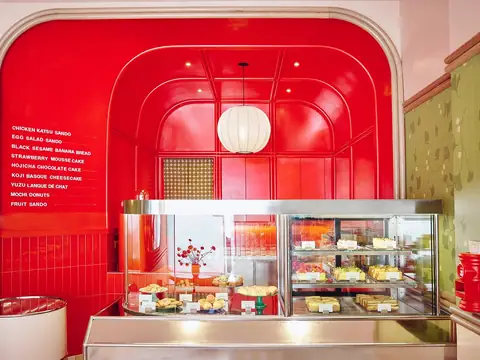
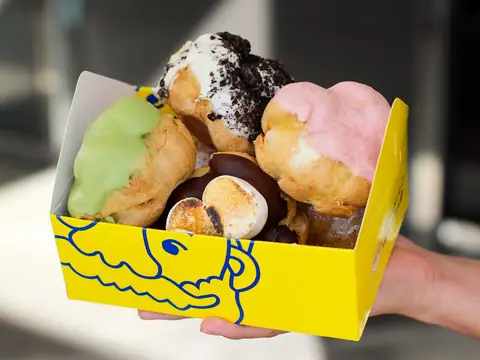
Not every Japanese bakery in the US looks the same. Some are bread-first shops with self-serve shelves, wrapped buns and a short cake menu. Others are closer to a pâtisserie, with glazed tarts, entremets and choux pastries made with French technique and Japanese restraint on sugar. A few grew out of chains that operate in Japan and Southeast Asia and follow their home menus closely. If you want custom whole cakes with lettering or a specific fruit, the pâtisserie-style shops are the better bet, and most want two to three days' notice.