How shopping works
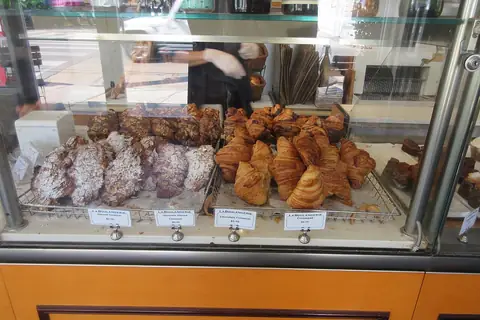
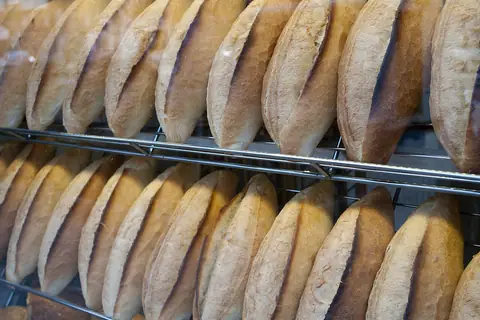
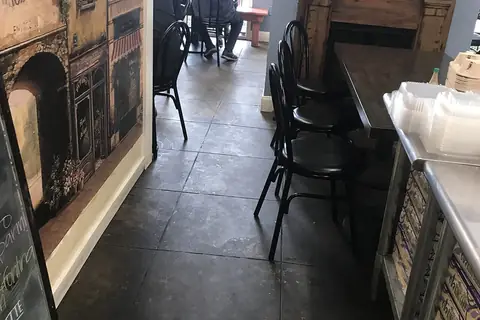
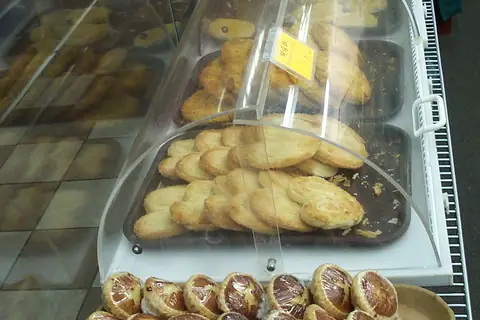
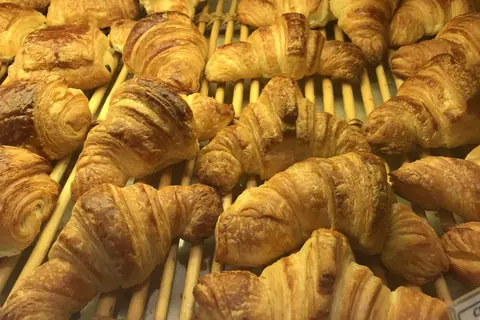
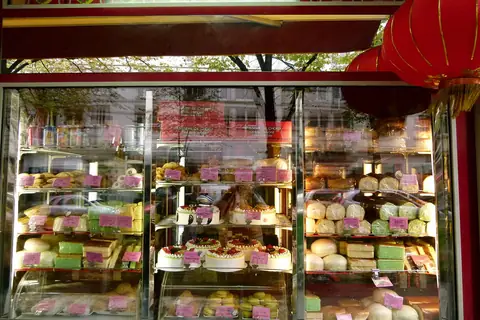
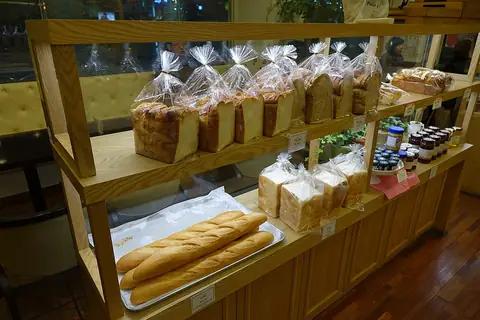
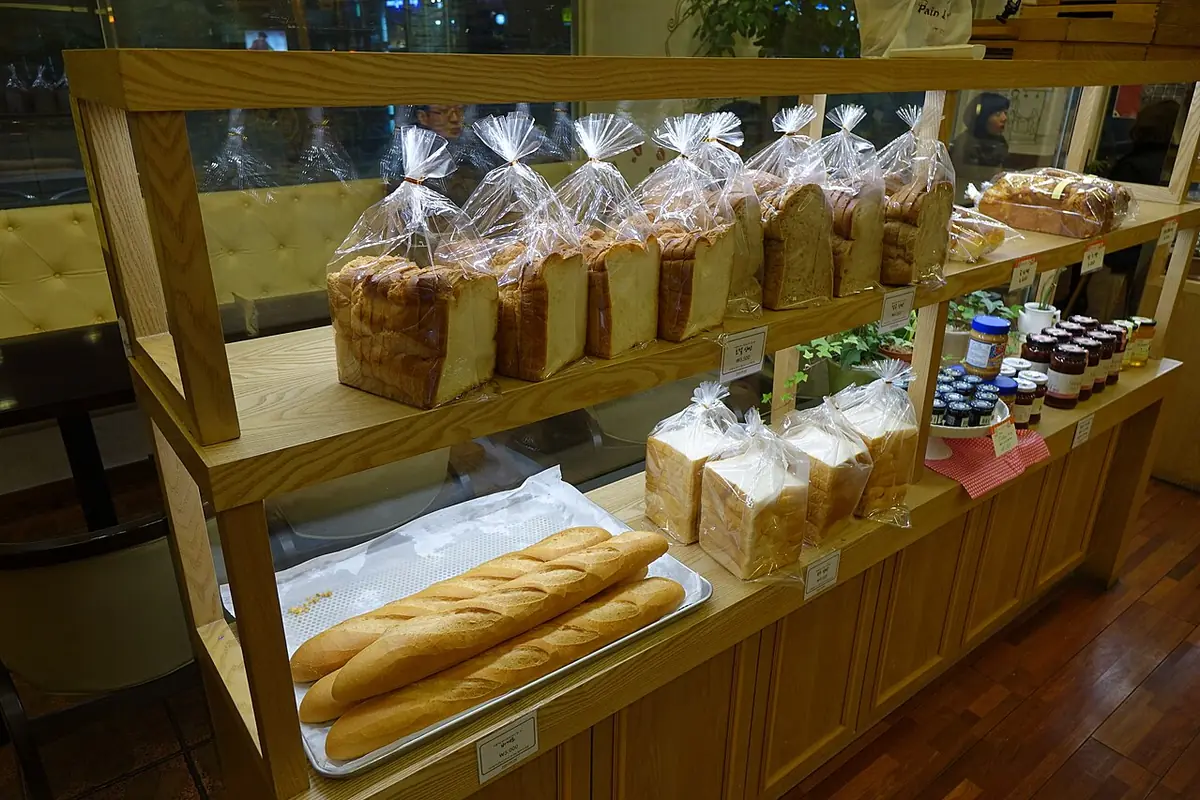
The layout will feel familiar if you have been to a Chinese or Japanese bakery. Individually wrapped breads sit on open shelves, and you take a tray and tongs, pick what you want, and bring it to the register. Refrigerated cases near the counter hold cakes, roll cakes, sandwiches and bingsu ingredients. Prices for single breads usually run a few dollars each, with filled or specialty items costing more.
Breads that define the style
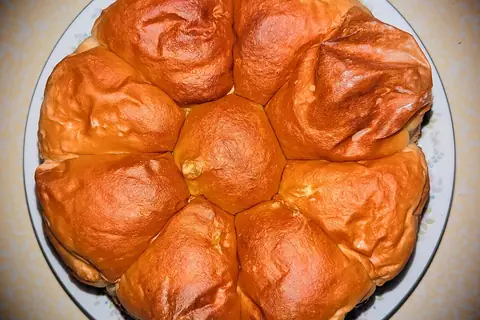
- Cream cheese garlic bread: a round bun cut into wedges, filled with sweetened cream cheese and soaked in garlic butter. It went viral from Gangneung and is now standard in many US shops.
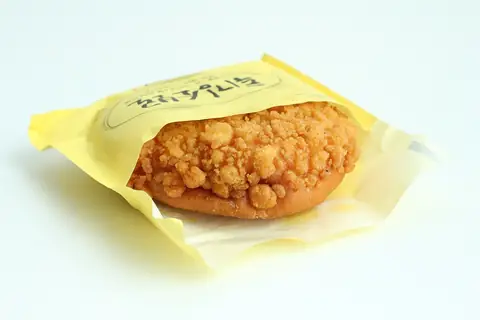
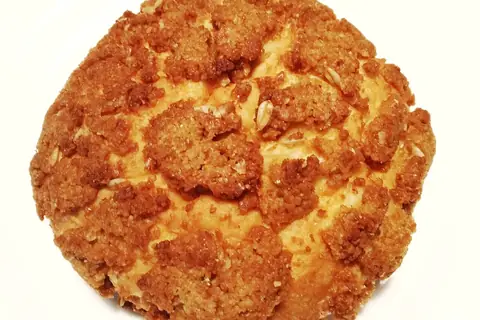
- Soboro-ppang: a sweet bun with a crumbly peanut-butter streusel crust.
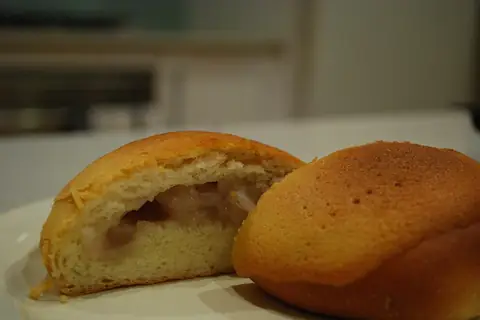
- Danpat-ppang: soft bread filled with sweet red bean paste.
- Gombo-ppang and other sausage or corn breads: savory buns topped with mayonnaise, corn or hot dog slices.
- Castella: a tall, honey-sweetened sponge that came to Korea through Japan.
Korean bakery bread tends to be soft, tender and lightly sweet, often made with milk and a tangzhong-style starter that keeps it moist.
Cakes: light, fresh and photogenic
Korean-style cakes are chiffon or genoise layers frosted with lightly sweetened whipped cream and finished with fresh fruit. Strawberry and mixed-fruit versions are the classics, along with green tea, mocha and sweet potato. Many shops also sell small lunchbox cakes (dosirak cakes) piped with short messages, which are popular for casual birthdays. For a whole cake with custom lettering, call a day or two ahead.
Beyond bread
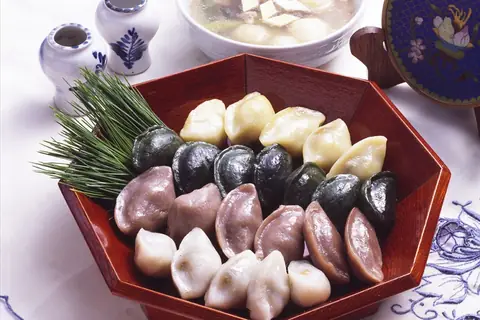
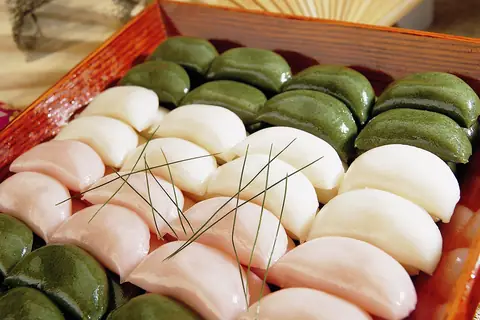
Some Korean bakeries operate as cafés with patbingsu in summer, milk tea, and seating. Others sell hotteok (pan-fried brown-sugar pancakes) or bungeoppang (fish-shaped waffles filled with red bean), especially in colder months. Rice cake shops, or tteok-jip, are a separate tradition, though a few bakeries carry injeolmi or rice cakes too.
Tips for a first visit
Start with one sweet, one savory and one cream-filled item to get a sense of the bakery's range. Cream cheese garlic bread is rich enough to share, so cut it at home rather than eating a whole one in the car. Check the refrigerated case before you pay, since sandwiches, roll cakes and cream buns often sit there rather than on the open shelves. Around Chuseok and Lunar New Year, some Korean bakeries put together gift boxes of castella, cookies or rice cakes, and those are worth reserving if you need a host gift.