Pandesal first
Pandesal is the everyday bread of the Philippines: a small, soft, slightly sweet roll rolled in fine breadcrumbs before baking. Families buy it by the bag, often 10 or 20 at a time, and eat it warm with butter, cheese, corned beef or coconut jam, or dunked in coffee. The name comes from the Spanish pan de sal, though the modern version is noticeably sweeter. Many US bakeries also make ube cheese pandesal, filled with purple yam jam and a cube of cheese.
What ube is, and where it shows up
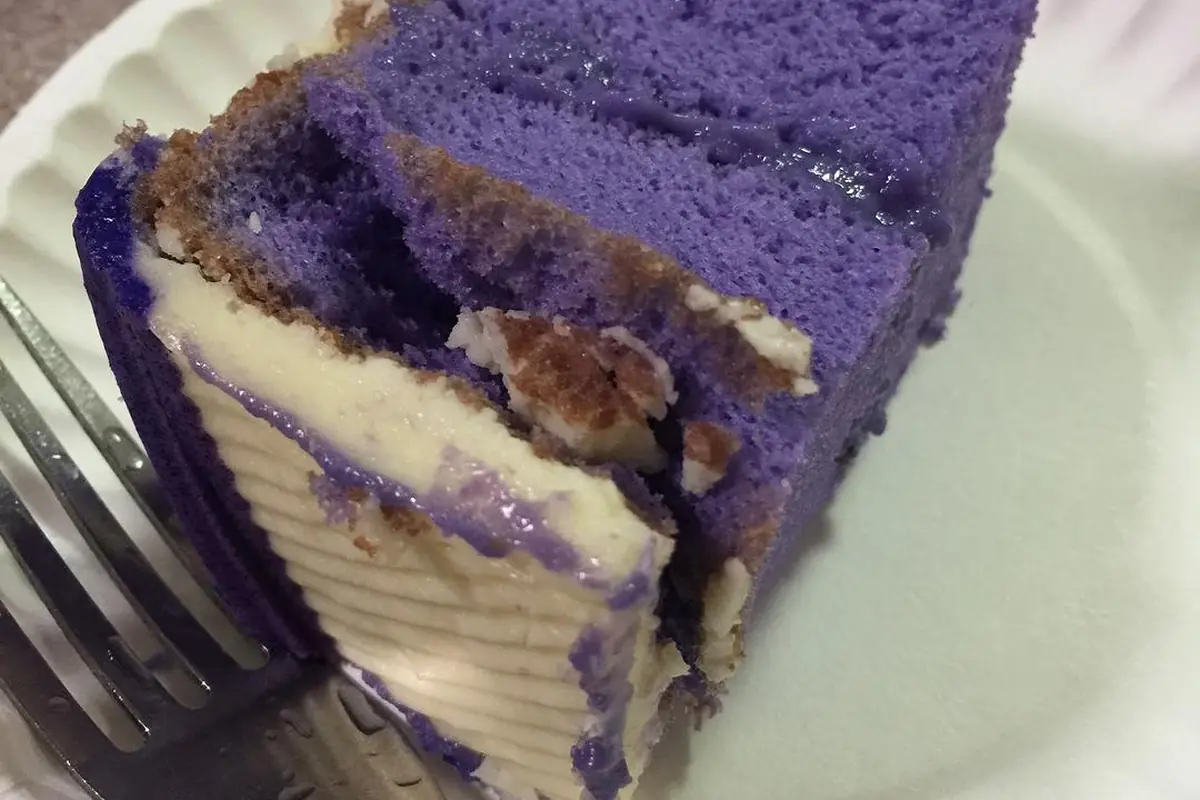
Ube is purple yam, a different plant from taro, with an earthy, vanilla-like flavor and a vivid violet color. In bakeries it is usually cooked into ube halaya, a thick jam made with coconut milk or condensed milk. From there it goes into ube rolls (chiffon rolled around ube cream), ube crinkles, ube cake with whipped frosting, hopia, ensaymada and pandesal. Color varies a lot: some bakers rely on real yam alone, while others add ube extract for a brighter purple. Taste, not color, tells you how much yam is in it.
Merienda and pasalubong
Merienda is the afternoon snack, and it has its own lineup:
- Ensaymada: a coiled brioche-like bun brushed with butter, sprinkled with sugar and topped with grated cheese.
- Spanish bread: a rolled bun with a buttery brown-sugar filling.
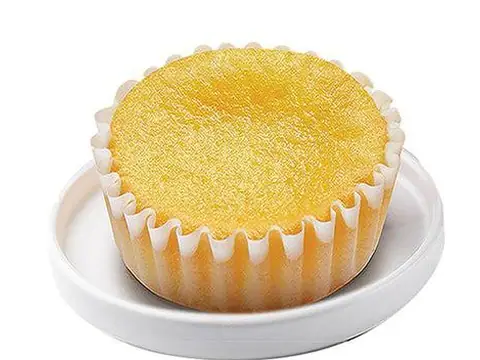
- Mamon: a small, cottony chiffon sponge.
- Hopia: flaky pastry filled with mung bean or ube.
- Ensaymada, buko pie and polvoron: classic pasalubong, the gifts you bring when visiting someone.
For parties, many bakeries sell sans rival (layers of cashew meringue and buttercream), leche flan, cassava cake and trays of pancit or lumpia alongside the sweets.
The Christmas season
December is the busiest month. Bakeries and food counters make bibingka (rice cake baked in banana leaves, often topped with salted egg and cheese) and puto bumbong (purple sticky rice with coconut and muscovado sugar), both tied to Simbang Gabi, the nine dawn masses before Christmas. Order trays of kakanin, or rice cakes, early in the month.
Other rice-based sweets fill out the season and the rest of the year: puto (small steamed rice cakes, sometimes topped with cheese), kutsinta (chewy brown cakes served with grated coconut), sapin-sapin (layered, multicolored glutinous rice) and biko (sticky rice cooked with coconut milk and brown sugar). These are made with rice flour or glutinous rice rather than wheat, which makes some of them naturally gluten-free, though cross-contact in a shared kitchen is likely. They are sold by the piece, by the tray, or in round bilao platters lined with banana leaf for parties. Most keep for a day at room temperature and a few days in the fridge; steam them briefly to soften them again.