Lisbon, Macau and Hong Kong: one name, two family trees
The pastel de nata comes from Portugal, where convent kitchens in the Lisbon area were making custard tarts long before they became a café staple. The filling is a cooked custard of egg yolks, sugar syrup, milk or cream and a little flour, often scented with a strip of lemon peel and a cinnamon stick. It is baked very hot, sometimes above 500°F, which is what gives the top its dark, blistered spots.
The Cantonese dan tat developed in Hong Kong tea restaurants in the first half of the twentieth century, drawing on British custard tarts. Its filling is closer to a sweet steamed egg: whole eggs, sugar, evaporated milk or water, strained until perfectly smooth and baked gently so the surface stays shiny and unbrowned. Macau sits between the two traditions, and the Macanese-style tart is essentially a pastel de nata with a slightly creamier, more caramelized top.
Reading the crust
Crust is the fastest way to judge quality, and each style has its own standard.
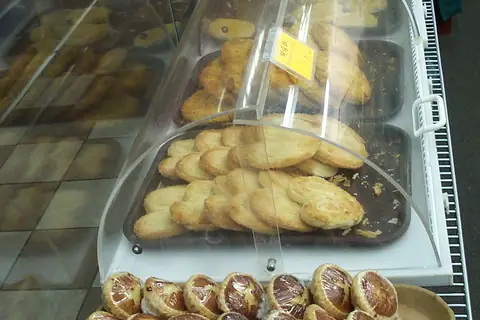
- Portuguese: laminated dough rolled into a log, sliced into coins and pressed into tins with a thumb, so the base shows tight spiral rings. It should shatter when bitten, with no pale, soggy layer under the custard.
- Hong Kong shortcrust: a cookie-like pâte sucrée shell, crumbly and buttery, with an even golden edge.
- Hong Kong puff (so pei): a flaky lard or butter pastry with dozens of fine layers that flake onto your plate. Many dim sum fans consider this the harder and more prized version.
Custard should be set but wobbly. A rubbery or weeping filling usually means the tart was overbaked or held too long.
Timing your visit for a warm tray
Egg tarts are best within an hour or two of baking, when the pastry is still crisp and the custard just warm. Chinese bakeries often pull several trays through the day, and staff will usually tell you when the next batch is due. Portuguese-style shops tend to bake in the morning and again before the afternoon coffee crowd. In communities with large Portuguese populations, such as parts of southeastern Massachusetts, Rhode Island and New Jersey, you will often find natas sold alongside malasadas and sweet bread.
Prices typically run about $1.50 to $3 per tart at Chinese bakeries and $2.50 to $4.50 at Portuguese or specialty cafés, with discounts for a box of six or a dozen.
How to eat them like a regular
In Lisbon, a pastel de nata comes with small shakers of cinnamon and powdered sugar, and many people dust both on top before eating it in three bites with an espresso. Dan tat pairs with Hong Kong milk tea, strong black tea cut with evaporated milk. Neither needs a fork.