What goes into a dog-bakery treat
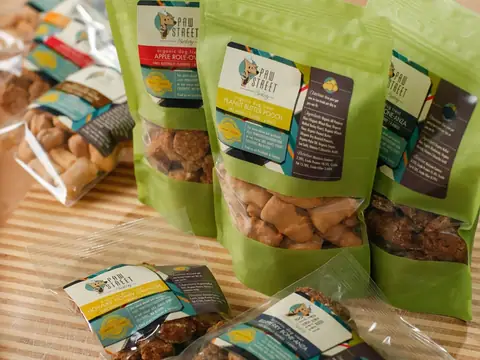
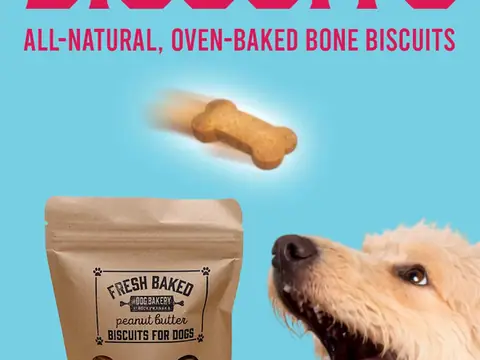
Most dog bakeries work from a short list of ingredients that dogs tolerate well and owners recognize. Bases are usually oat flour, whole-wheat flour, brown rice flour or chickpea flour. Flavor comes from pumpkin, sweet potato, banana, apple, unsweetened peanut butter, plain yogurt and sometimes cheese or meat. Carob stands in for chocolate because it looks similar but is considered safe for dogs. The frosting on a pupcake is generally not sugar-based; instead bakers use yogurt or cream cheese, or a decorative icing made from starches, which lets them pipe names and paw prints without loading a treat with sugar.
Because most of these treats are made without the preservatives used in mass-market biscuits, they keep for a shorter time. Crunchy biscuits usually last a couple of weeks in an airtight jar; soft treats, pupcakes and cakes belong in the refrigerator and should be used within a few days or frozen.
Ingredients that should never be in the case
- Xylitol, a sweetener sometimes labeled birch sugar, is toxic to dogs even in small amounts and appears in some peanut butters and sugar-free products.
- Chocolate and cocoa, which contain theobromine.
- Grapes and raisins, linked to kidney damage in dogs.
- Macadamia nuts.
- Onion and garlic, in powdered form too.
A reputable dog bakery will tell you exactly what is in each item, and many print full ingredient lists. If your dog has a food allergy or a medical condition such as pancreatitis or diabetes, ask your veterinarian before introducing a new treat, and ask the bakery about wheat, chicken, dairy or other common triggers. And never share leftovers from a human bakery with your dog.
Ordering a pupcake or dog birthday cake
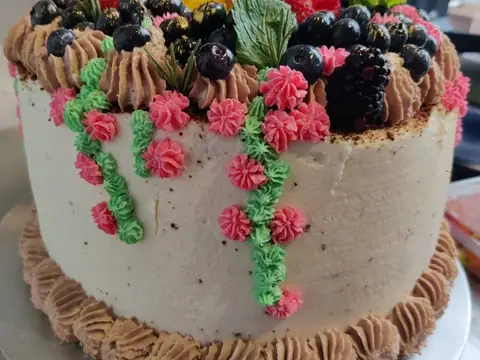
Pupcakes, single dog-safe cupcakes, usually cost around $3 to $6 and are often available same day. Personalized cakes in 4- to 6-inch sizes, with your dog’s name piped on top, typically run about $20 to $45 and need two to five days’ notice; larger party cakes for a dog-friendly gathering cost more. Many bakeries also sell gotcha-day and adoption-anniversary cakes, holiday cookie boxes and party packs with bandanas.
Think about portions before the party. A common rule of thumb from veterinarians is to keep treats to around 10 percent of a dog’s daily calories, so a small dog should get a slice rather than the whole cake. Cut a cake into portions and share it among the guests, refrigerate the rest, and serve it in a few small pieces over several days.