Where the tradition comes from
Smash cakes grew popular in the US in the 2000s alongside first-birthday photo sessions, though the idea draws on older customs of setting a cake in front of the birthday baby. The appeal is simple: a baby meeting frosting for the first time makes for unscripted, messy, often hilarious photos. The cake is meant to be destroyed, so bakers design it to look charming from the front and hold up to small fists, not to survive a long party.
Size and construction
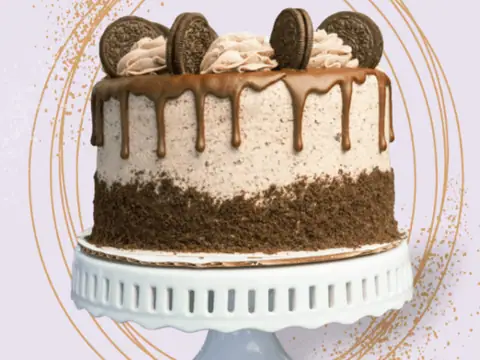
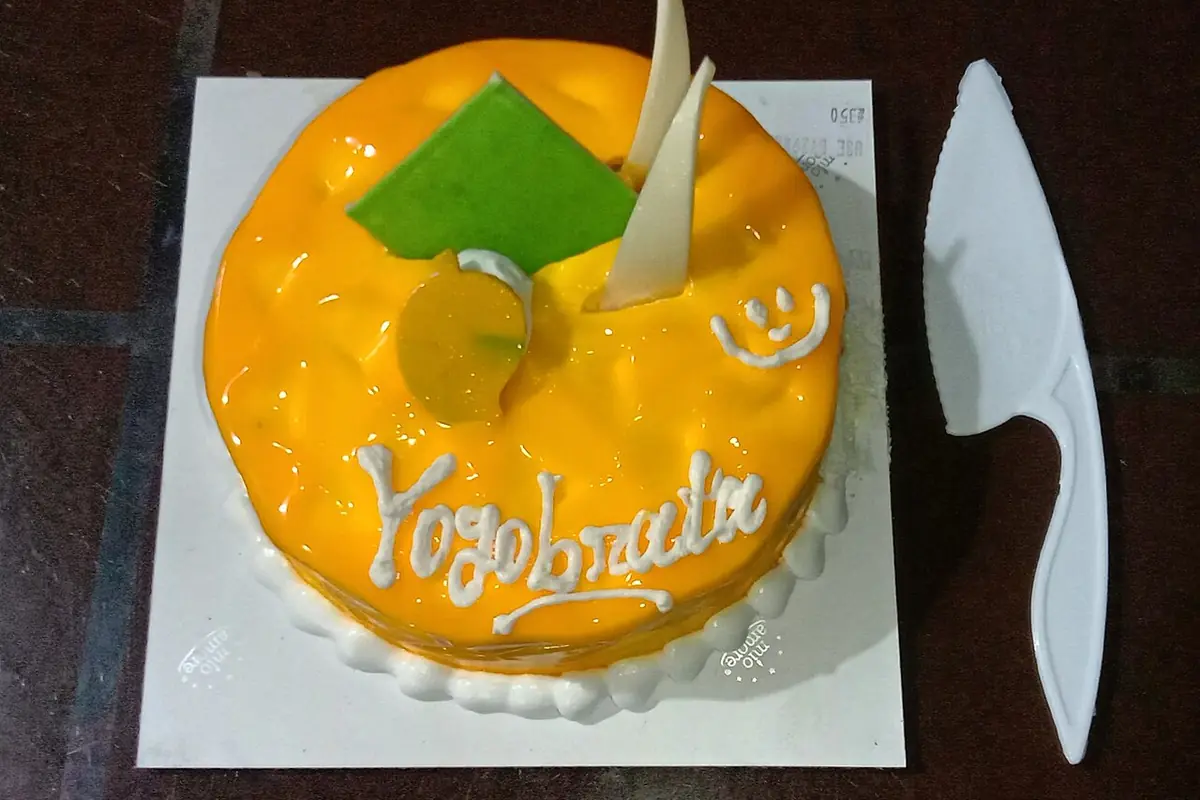
Most smash cakes are 4 to 6 inches across and two or three layers tall. Bigger than that and a baby cannot get a grip; smaller and it reads as a cupcake in photos. Bakers usually match the design to the main cake, with the same colors, a small topper, or the baby's name. Simple decorations work best. Avoid hard toppers, wired flowers, toothpicks, dowels, small candies or anything a baby could choke on. Fondant is technically edible but tough for a one-year-old, so many parents ask for buttercream or whipped cream only.
A smash cake on its own usually runs about $25 to $60. Ordered together with a main birthday cake, some bakeries discount it or include it in a package.
Gentler recipes and food questions
Parents often ask for lower-sugar versions. Some bakeries make banana, applesauce or date-sweetened cakes with lightly sweetened whipped cream, Greek yogurt or cream cheese frosting. These are less sweet, not sugar-free, unless the bakery says otherwise. Food coloring is another common question; bakers can use naturally colored frosting from fruit powders, though the shades come out softer.
Talk with your pediatrician about any foods your child has not tried yet, and ask the bakery about common allergens in the cake, frosting and decorations, including eggs, milk, wheat, nuts and soy. Many pediatric guidelines advise against giving honey to babies under twelve months, so if the party falls just before the first birthday, confirm the recipe contains no honey.
Timing the smash
Schedule the smash around the baby's routine, not the party's. Right after a nap and before a meal is ideal; a tired or overfull baby may just stare at the cake or cry. Strip to a diaper or a smash outfit, lay a drop cloth or plastic tablecloth, and let the cake warm to room temperature so the frosting is soft. Give it a few minutes; many babies start by poking cautiously. Have warm water and a towel ready, or plan the bath right after. Keep the cake refrigerated until about 30 minutes before, especially if it has whipped cream.