A pound of each, give or take
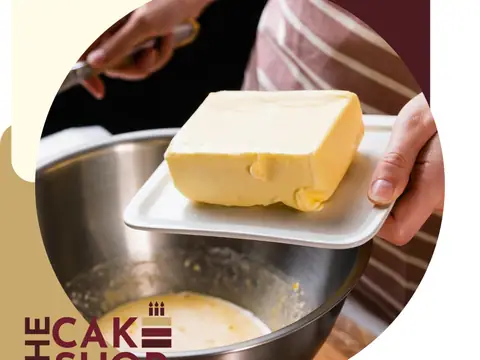
The name explains the original recipe: a pound each of flour, butter, sugar and eggs. English in origin, it was being made in the American colonies by the 1700s and appears in the first American cookbook, published in 1796. Before chemical leaveners were common, the only lift came from beating air into butter and sugar and from the eggs, which is why old recipes call for creaming at length.
Bakers kept the spirit and adjusted the math. Most modern pound cakes add milk, sour cream or cream cheese for moisture, a little baking powder for insurance, and vanilla or lemon for flavor. The French cousin is quatre-quarts, four quarters, made with the same equal-weight idea.
Reading the crust and crumb
A good pound cake has a golden, slightly crisp top crust, often with a split along the center where the batter rose last. Some Southern bakers prize a thin, sugary crust that crackles when cut. Inside, the crumb should be tight, fine and moist, heavy enough to feel substantial but not wet or gummy. A dense, damp streak just under the top, sometimes called a sad streak, comes from underbaking or underbeating.
Flavor should taste clearly of butter, with vanilla or citrus behind it. If the slice tastes mostly sweet and faintly oily, shortening or a mix has likely stood in for butter.
Southern styles worth knowing
- Cream cheese pound cake: an especially rich, velvety version, a church supper and holiday favorite.
- Sour cream pound cake: slightly tangy with a tender, moist crumb.
- Lemon-lime soda pound cake: often called 7Up cake, made with the soda in the batter and glaze for a citrusy, bright finish.
- Brown sugar or caramel pound cake: deeper flavor, sometimes topped with a cooked caramel icing.
- Sweet potato pound cake: a fall version with warm spices.
Pound cake is a cornerstone of Black Southern baking traditions, and some of the best you will find come from soul food bakeries and home bakers with family recipes.
Buying, serving and storing
Pound cake comes in two common shapes. Loaf pans give neat, even slices that are easy to toast or wrap for lunch; tall tube pans, the Southern standard, bake the dense batter evenly from the center out and give the cake its familiar ring shape. Loaves usually cost $12 to $25, and whole tube or bundt-pan pound cakes $25 to $50. Slices run about $3 to $6. Serve plain with coffee, toasted with butter, or with macerated strawberries and whipped cream, which turns it into a quick shortcake. Wrapped tightly, pound cake keeps three to four days at room temperature and freezes well for two to three months; many people say it tastes better on day two.